
 Business License

Smart Building Automation Case: ZIN in Noord Drives High Efficiency & Sustainable Operation
Introduction
ZIN in Noord, a landmark mixed-use complex in Brussels, sets a new benchmark for sustainable, fully integrated smart building operation. Standing 128 meters tall with 31 floors, this multi-functional property combines 70,000 m² office spaces, 127 apartments, a 240-room hotel, retail, catering, sports facilities and a large public parking lot. Rebuilt from two 1970s office towers, the project prioritizes circular economy concepts by recycling most construction materials while retaining original circulation layouts. Partnering with Beckhoff’s open PC-based control technology, system integrator VMA delivered a unified building management system (Vmanager) that connects all technical subsystems, achieving dual goals of energy efficiency and long-term sustainability required by the Flanders Government investor.
Core Sustainable Design & Climate Control Highlights
Sustainable operation is the core design target of ZIN in Noord, with strict annual energy reduction requirements set by the government client. Multiple coordinated eco-friendly measures cut energy consumption significantly:
Multi-source clean energy supply: Rooftop and facade solar panels generate on-site power and provide sun shading; geothermal systems supply over 60% of heating and cooling demand for indoor climate regulation.
Intelligent natural ventilation & shading: Automated windows open for fresh air intake in daytime and close automatically at night for natural cooling; linked indoor lighting triggers window shutoff once lights turn off. Smart curtain walls and motorized blinds further optimize indoor temperature and natural light utilization.
Human-sensing adaptive lighting: Corridor lights activate only right before elevator doors open; parking lot lights stay dimmed by default and boost to full brightness only when motion sensors detect people or vehicles.
All these scattered energy-saving devices rely on a unified control platform to coordinate logic, which is where integrated smart building automation becomes irreplaceable.
Unified Platform: Full Integration of All Building Technical Systems
VMA undertook roughly 95% of all technical equipment installation across the complex, covering HVAC, lighting, power supply, water drainage and fire protection systems. Traditional fragmented controllers would create isolated data silos and fail to realize cross-system linkage, so the team chose Beckhoff PC-based control solutions for maximum openness and compatibility.
Key Hardware Deployment
69 CX5230 embedded controllers act as the core of the whole BMS network
120 BK9050 TCP/IP bus couplers collect real-time field signals via stable Ethernet connection, cutting installation space and construction time dramatically
Massive I/O terminals for cross-protocol access: DALI/DALI-2 lighting modules, KNX bus terminals, blind control communication terminals and digital input/output modules for on-site operation panels
A standout design optimization separated low-speed HVAC control logic from high-response lighting, hotel guest experience-related equipment during programming. Powered by TwinCAT engineering software, developers customized adjustable parameter logic for different functional zones (offices, apartments, hotel rooms), instead of rigid pre-set programs used in standard building projects.
Smooth Project Delivery & Excellent Operational Performance
The project’s success depended on cross-team collaboration between VMA, VK Engineering and Beckhoff Belgium. All stakeholders focused on practical problem-solving without internal buck-passing, shortening the overall electrical installation footprint to only one-tenth of conventional schemes.
Full acceptance testing of the integrated BMS finished in late January 2025, one year after the first tenants moved in. Despite the complex scale and thousands of connected devices, the system generated very few maintenance fault tickets. All zones support real-time data visualization on the Vmanager platform, delivering stable, comfortable and low-energy operation for office workers, hotel guests and apartment residents.
Conclusion
The ZIN in Noord project proves that open PC-based control technology is the ideal backbone for large-scale mixed-use smart buildings. By integrating every independent subsystem into one unified BMS platform, developers, operators and government investors can easily hit long-term carbon and energy-saving targets. This case offers a replicable reference for future high-rise mixed-use sustainable building construction worldwide.
Recently Posted
-
SICK InspectorP611 Smart Camera: Automatic Laser Beam Centering Solution for Fiber Laser Cutters
July 20, 2026Industry Pain PointsFiber laser cutters are widely used in sheet metal, automotive and aerospace industries for metal plate &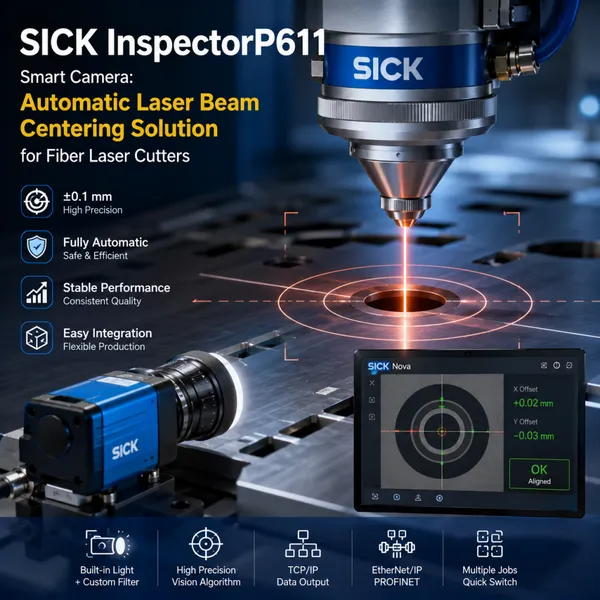 Read More
 -
New Generation SICK W12 Photoelectric Sensors Released: 37-Year Classic Gets Full Technical Upgrade
July 16, 2026IntroductionIn the industrial photoelectric detection industry, SICK W12 series is a time-tested classic. First launched in 1989,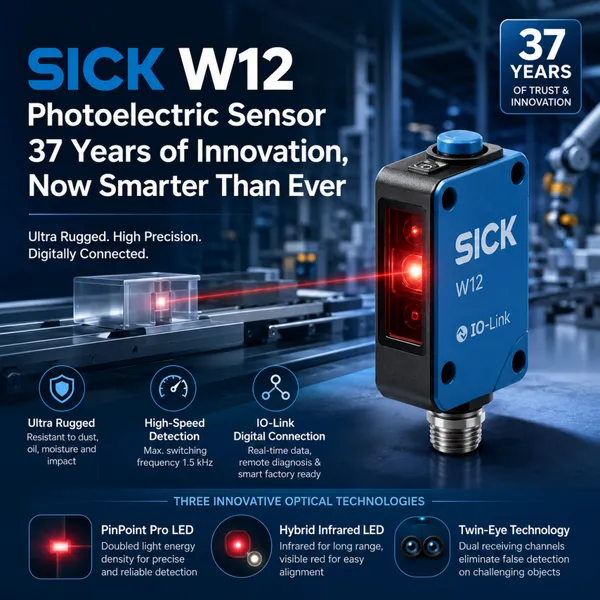 Read More
 -
SICK VMV Volume Measurement Solution: Game-Changer for Logistics Dimension Weigh Scan
July 14, 2026In modern logistics, accurate package dimension and volume measurement is the foundation of intelligent warehousing, shipping cost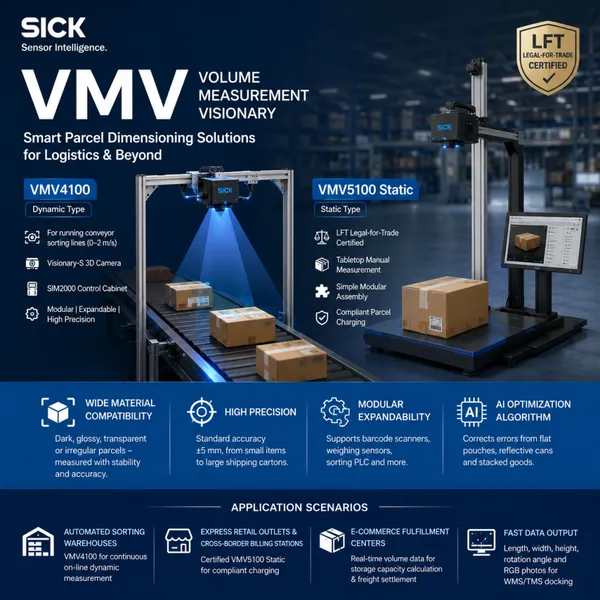 Read More
 -
Why Chemical Dosing Is Critical in Water Treatment Systems
July 10, 2026Why Chemical Dosing Is Critical in Water Treatment SystemsChemical dosing is one of the most important processes in industrial wat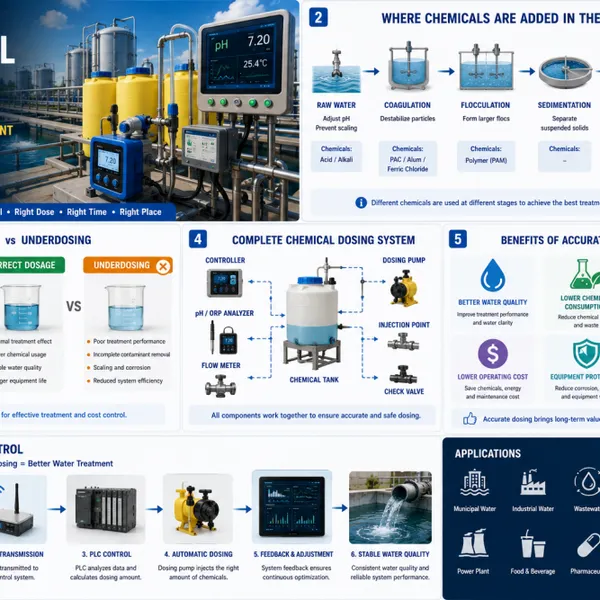 Read More

Contact Us
Recommended Products
-
 Ultrasonic Level Transmitter With Display 4-20mA HART ATEX for Water Treatment TankUS$ 330MOQ: 1 Box
 -
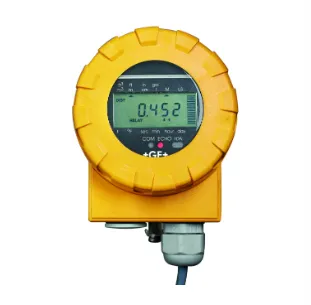
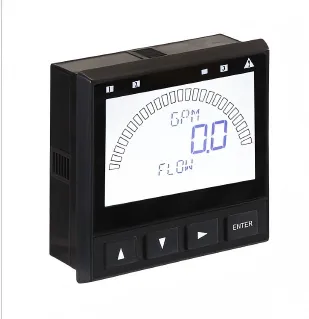
Multi-Parameter Transmitter Controller for Water Treatment Flow pH Conductivity SystemUS$ 220MOQ: 1 Box
-
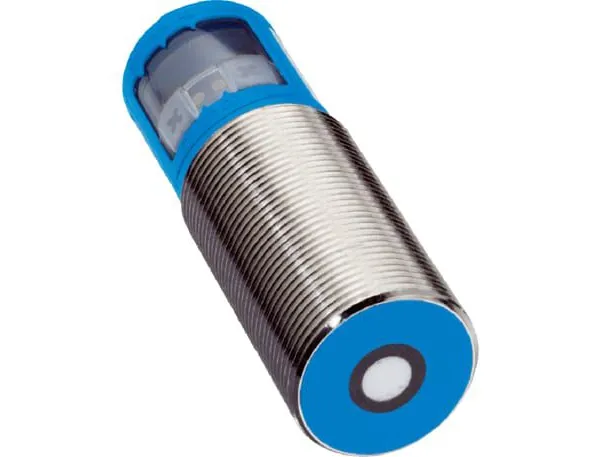
SICK UM30-212111 Ultrasonic Proximity Sensor, 60-350mm Range, PNP NC, IP67, 9-30V DC, M30 BarrelUS$ 149 - 155MOQ: 1 Unit
-
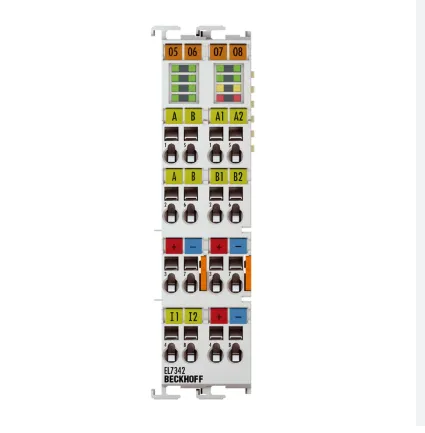
Beckhoff EL7342 EtherCAT Terminal 2-Channel DC Motor Output Stage 48V DC 3.5A Motion Control Module With Encoder InterfaceUS$ 350MOQ: 1 Piece
-
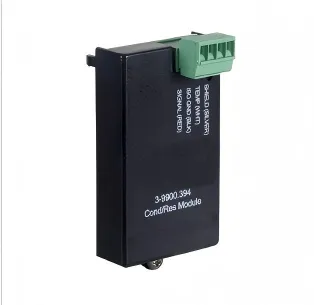
9950 Conductivity Resistivity Module Industrial Water Quality Measurement Module for 9950 Controller SystemUS$ 300MOQ: 1 Piece
-
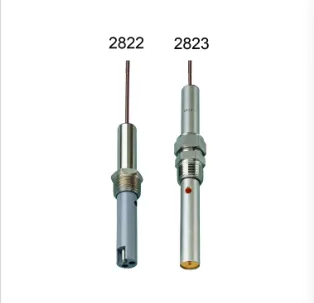
Type 2822 2823 Conductivity Sensor High Precision Conductivity Resistivity Electrode for RO and Pure Water MonitoringUS$ 350MOQ: 1 Piece
-
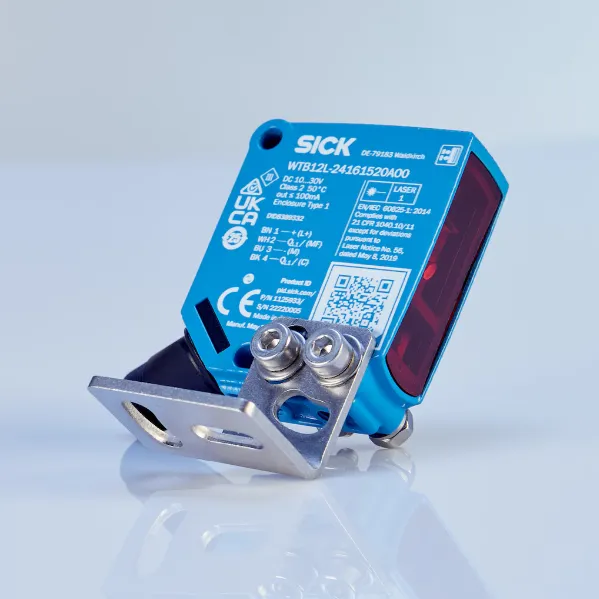
Sick W12 Series Photoelectric Sensor, Compact Industrial Diffuse/Retro-Reflective/Through-Beam Sensor, IP67, High Precision, for AutomationUS$ 231 - 263MOQ: 1 Unit
-
PVC Gauge Guard Pressure Gauge Protector for Pipeline SystemUS$ 360MOQ: 1 Piece
-
PVC Spring Check Valve BS Socket Inch Non Return Valve for Pump SystemUS$ 380MOQ: 1 Piece
-
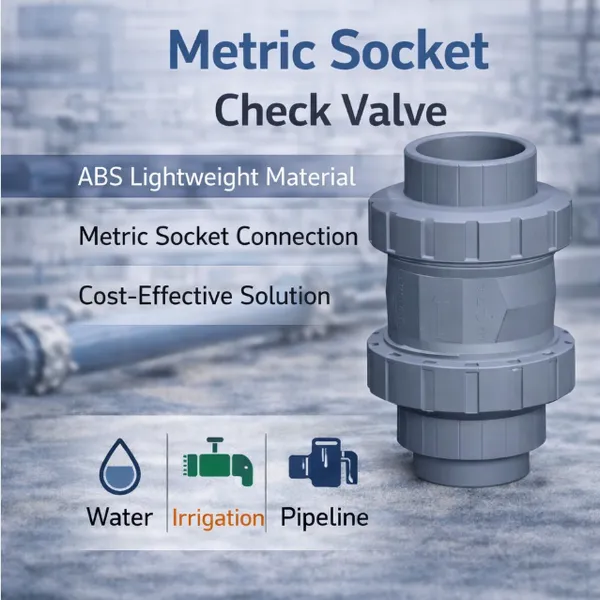
ABS Check Valve Metric Socket Non Return Valve for Water SystemUS$ 390MOQ: 1 Piece


-
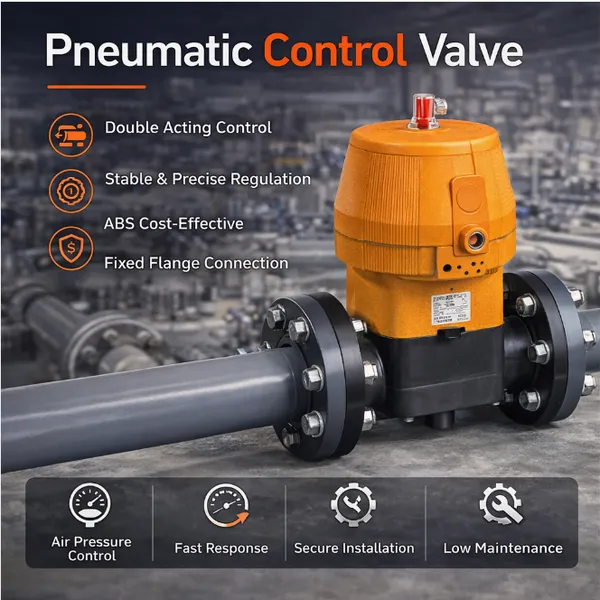
ABS Diaphragm Valve Double Acting Pneumatic ANSI Flange for Water TreatmentUS$ 360MOQ: 1 Piece
-
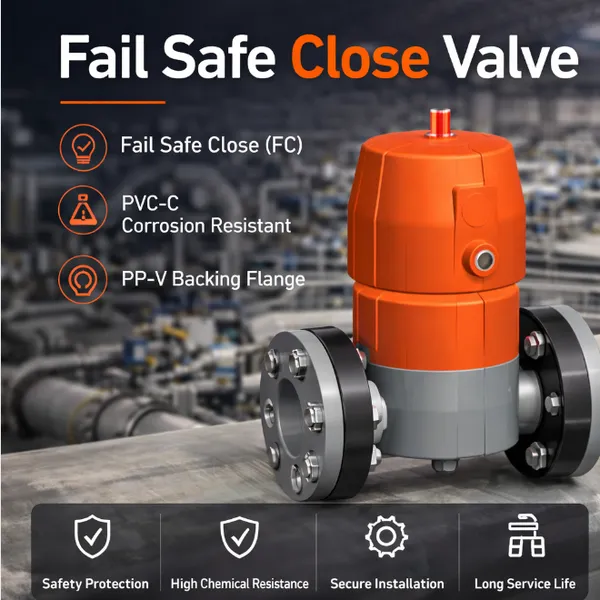
PVC-C Diaphragm Valve Fail Safe Close Backing Flange PP-V for Chemical SystemUS$ 410MOQ: 1 Piece
-
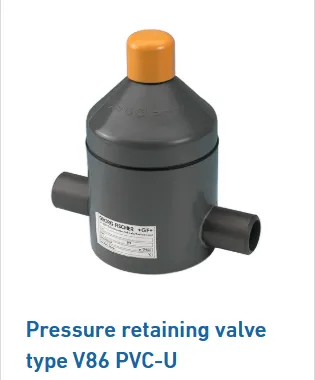
PVC Pressure Retaining Valve for Water Treatment / Chemical Pipeline Back Pressure ValveUS$ 280MOQ: 1 Piece
-
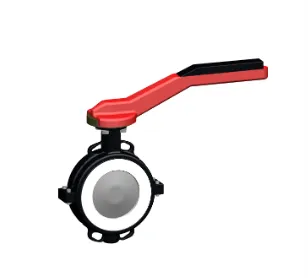
Wafer Butterfly Valve Metal PFA Lined Stainless Steel Disc Industrial Water Treatment ValveUS$ 300MOQ: 1 Piece
-
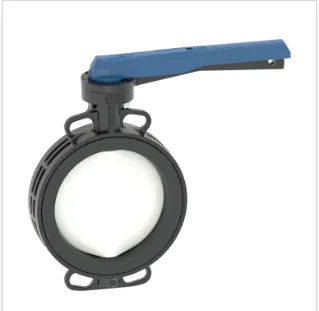
PVDF Butterfly Valve Wafer Type Chemical Resistant Industrial Water Treatment ValveUS$ 210MOQ: 1 Piece
-
9900-1P 9950 Sun Visor Package Industrial Display Protection Cover With Sunshade for Field Mounted TransmitterUS$ 380MOQ: 1 Piece
-
9900-1BC Batch Control Module for Water Treatment Dosing System PLC Automation IntegrationUS$ 370MOQ: 1 Piece
-
Electric Actuated Ball Valve 220V PVC-C Type 127 for Water Treatment System ASTMUS$ 420MOQ: 1 Box
-
Rosemount 3051 Pressure TransmittersUS$ 500 - 1000MOQ: 1 Piece
-
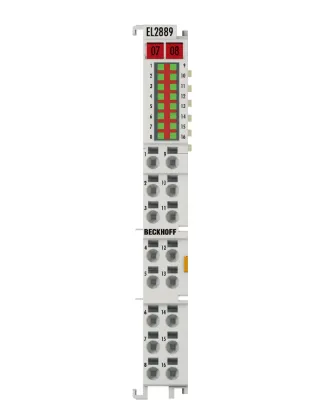
Beckhoff EL2889 EtherCAT Terminal 16-Channel Digital Output 24V DCUS$ 150MOQ: 1 Piece