
 Business License

New Generation SICK W12 Photoelectric Sensors Released: 37-Year Classic Gets Full Technical Upgrade
Introduction
In the industrial photoelectric detection industry, SICK W12 series is a time-tested classic. First launched in 1989, this photoelectric switch has served global markets for 37 years. Over 30,000 customers worldwide have purchased millions of units, which stably handle complicated and challenging detection tasks in harsh working conditions.
Based on nearly four decades of market experience and technical iteration, German SICK has officially launched the new-generation W12 photoelectric sensor. It brings comprehensive upgrades in durability, detection accuracy, easy operation and digital interconnection, delivering far better value than expected for all industrial sites.
Core Advantages for End Users
1. Ultra Rugged Structure for Tough Industrial Environments
It features excellent chemical resistance, thermal stability and mechanical strength, equipped with a durable metal housing. The sensor can resist dust, oil, moisture and impact, perfectly matching automotive, logistics, packaging and metallurgy industries to lower equipment replacement and maintenance costs.
2. Outstanding Detection Performance Against Strong Light & High Speed
Supported by SICK self-developed Optical Experts optical algorithm, it works stably even under strong ambient light. With a maximum switching frequency of 1.5kHz, it can accurately capture targets on high-speed assembly lines and avoid missing detection or false triggering.
3. Complete Model Portfolio for All Kinds of Automation Demands
A full range of standard and professional variants are available, including multi-mode WTM12 and WLG12 sensors. Multiple sensing modes (through-beam, retro-reflective, diffuse) are optional. Users can pick suitable configurations according to material type, detection distance and installation space.
4. User-Friendly Operation & Intelligent IO-Link Digital Connection
BluePilot integrated rotary knob supports visual, precise and quick calibration, friendly for new operators;
IO-Link communication is built-in to transmit real-time data: temperature, detection distance, receiver signal level, switching output and sensing quality;
Digital twin technology supports remote equipment diagnosis, status monitoring and parameter setting, greatly accelerating smart factory upgrading.
Three Groundbreaking Optical Technologies
The biggest highlights of the new W12 are three innovative optical designs that solve long-standing industry pain points of traditional photoelectric sensors:
1. PinPoint Pro LED High Precision Light Spot
Compared with the old PinPoint LED, its light energy density is doubled with a compressed rectangular light spot:
Wider effective sensing range
Better tolerance for black & white object offset
Less influence from installation angle
Stronger resistance to ambient stray light
2. Hybrid Infrared LED Light Source
Pure infrared sensors lack visible alignment spots while traditional red LED sensors have limited detection distance. SICK hybrid LED solves both problems:
Main infrared beam provides longer sensing distance and stronger anti-interference for dark, light-absorbing objects;
Temporary visible red alignment light can be activated for 30 seconds via button or IO-Link command for easy on-site calibration;
Infrared and visible light share the same optical path without position deviation.
3. Twin-Eye Dual Receiving Technology
Ordinary single-channel sensors often misfire when detecting glossy metal, transparent plastic or uneven workpieces. WTS12 adopts dual receiving channels and self-developed ASIC chip:Dual-channel signal comparison effectively prevents false detection caused by reflective, perforated or irregular workpieces. Matched with LineSpot linear light spot, it realizes ultra-stable detection for thin and highly reflective materials.
37-Year Classic Reborn for Full-Scene Smart Manufacturing
From setting industry standards in 1989 to integrating PinPoint Pro LED, hybrid infrared light source and Twin-Eye technology, the new W12 is no longer a simple detection switch. It becomes an all-in-one intelligent sensing unit with tough housing, high-precision optics and digital communication.
It is widely applicable to logistics sorting, packaging & printing, auto parts processing, lithium battery new energy, machine tools and automated warehouses. Whether you need to replace old sensors on existing production lines or build new intelligent factories, it can cut operating costs, improve detection accuracy and simplify digital access.
Conclusion
After 37 years of market verification, the iconic W12 series has completed comprehensive technical renewal. The new generation SICK W12 photoelectric sensors are now fully released. If you are looking for anti-interference, high-speed and digitally connected industrial photoelectric solutions, welcome to contact us for complete datasheets, model selection guides and on-site testing service.
Recently Posted
-
SICK InspectorP611 Smart Camera: Automatic Laser Beam Centering Solution for Fiber Laser Cutters
July 20, 2026Industry Pain PointsFiber laser cutters are widely used in sheet metal, automotive and aerospace industries for metal plate &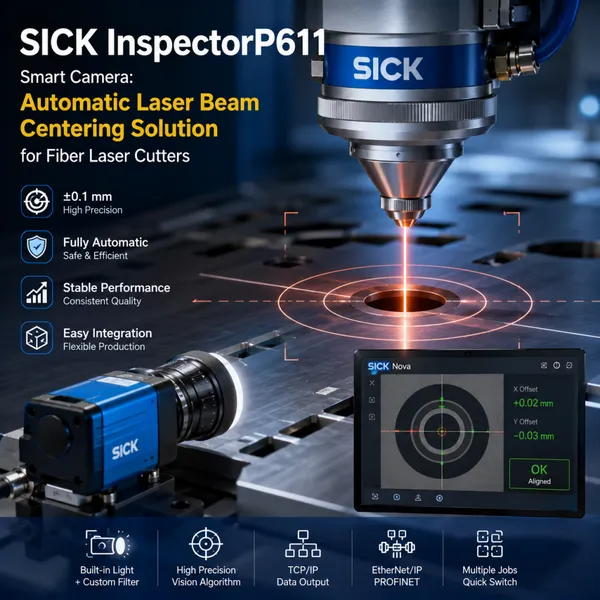 Read More
 -
SICK VMV Volume Measurement Solution: Game-Changer for Logistics Dimension Weigh Scan
July 14, 2026In modern logistics, accurate package dimension and volume measurement is the foundation of intelligent warehousing, shipping cost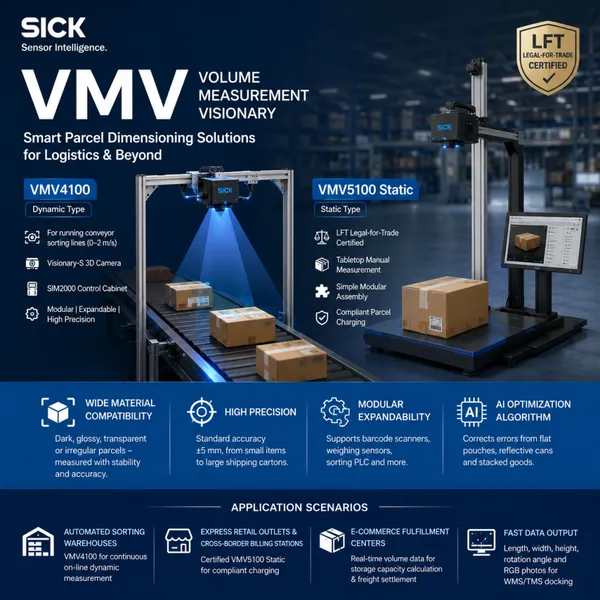 Read More
 -
Why Chemical Dosing Is Critical in Water Treatment Systems
July 10, 2026Why Chemical Dosing Is Critical in Water Treatment SystemsChemical dosing is one of the most important processes in industrial wat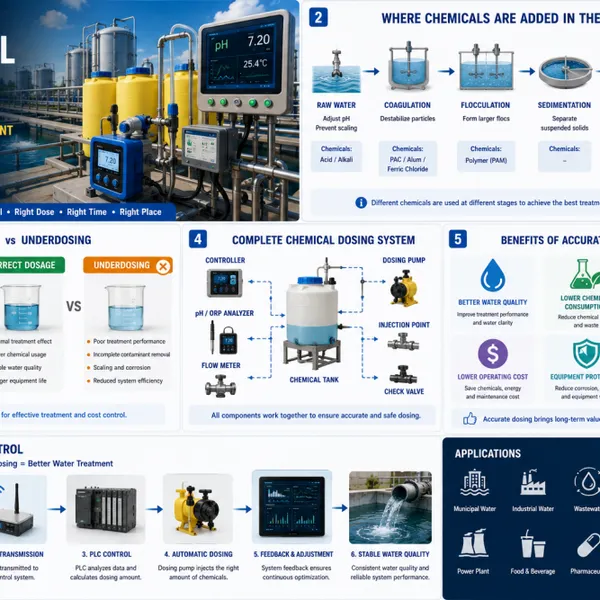 Read More
 -
Master ISO 13857: Core Guidelines for Machinery Safety Distances | SICK Academy
July 9, 2026PrefaceSafety distances are designed to prevent operators from reaching hazardous zones under specific working conditions. Whether Read More

Contact Us
Recommended Products
-
 Ultrasonic Level Transmitter With Display 4-20mA HART ATEX for Water Treatment TankUS$ 330MOQ: 1 Box
 -
Multi-Parameter Transmitter Controller for Water Treatment Flow pH Conductivity SystemUS$ 220MOQ: 1 Box
-
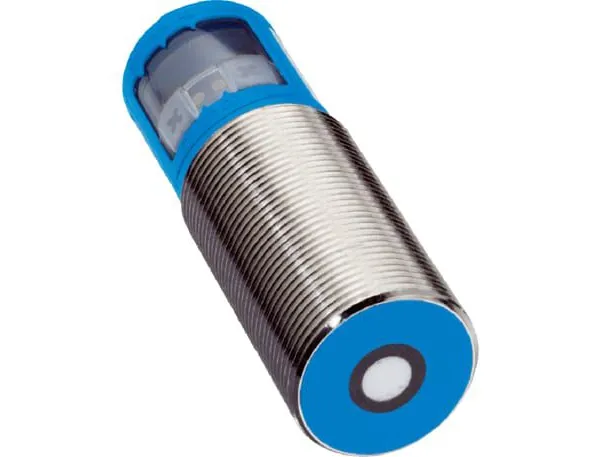
SICK UM30-212111 Ultrasonic Proximity Sensor, 60-350mm Range, PNP NC, IP67, 9-30V DC, M30 BarrelUS$ 149 - 155MOQ: 1 Unit
-
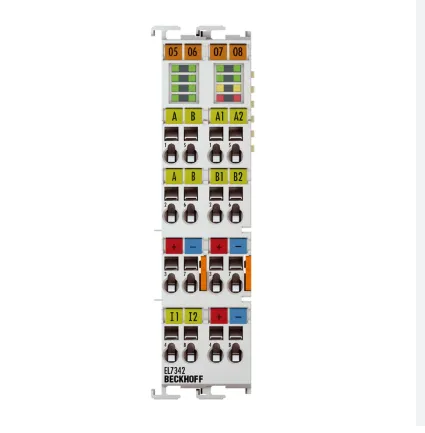
Beckhoff EL7342 EtherCAT Terminal 2-Channel DC Motor Output Stage 48V DC 3.5A Motion Control Module With Encoder InterfaceUS$ 350MOQ: 1 Piece
-
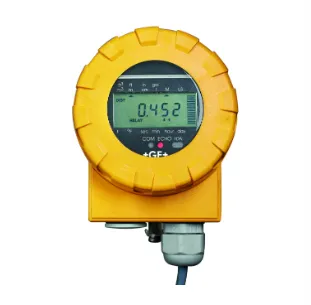
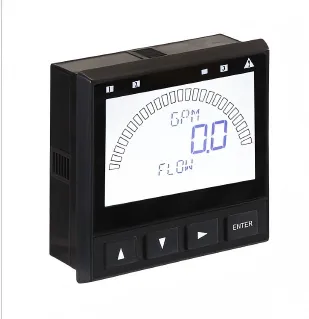
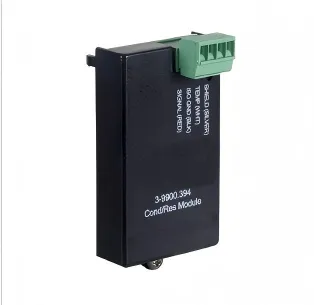
9950 Conductivity Resistivity Module Industrial Water Quality Measurement Module for 9950 Controller SystemUS$ 300MOQ: 1 Piece
-
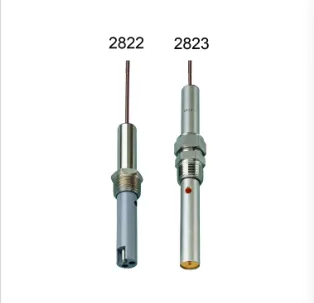
Type 2822 2823 Conductivity Sensor High Precision Conductivity Resistivity Electrode for RO and Pure Water MonitoringUS$ 350MOQ: 1 Piece
-
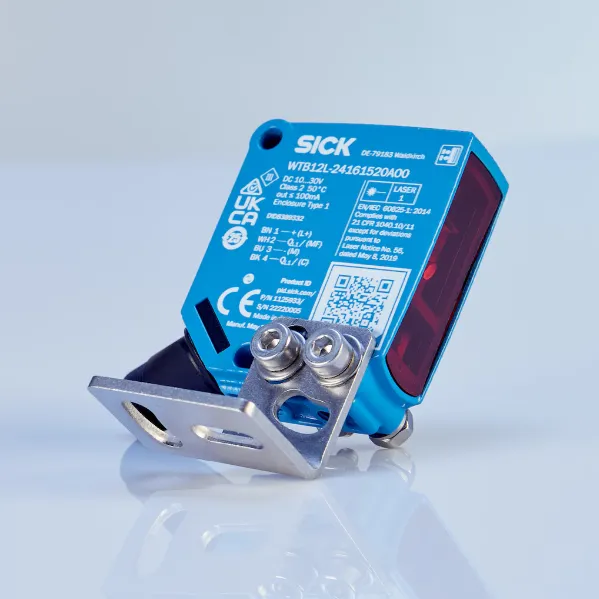
Sick W12 Series Photoelectric Sensor, Compact Industrial Diffuse/Retro-Reflective/Through-Beam Sensor, IP67, High Precision, for AutomationUS$ 231 - 263MOQ: 1 Unit
-
PVC Gauge Guard Pressure Gauge Protector for Pipeline SystemUS$ 360MOQ: 1 Piece
-
PVC Spring Check Valve BS Socket Inch Non Return Valve for Pump SystemUS$ 380MOQ: 1 Piece
-
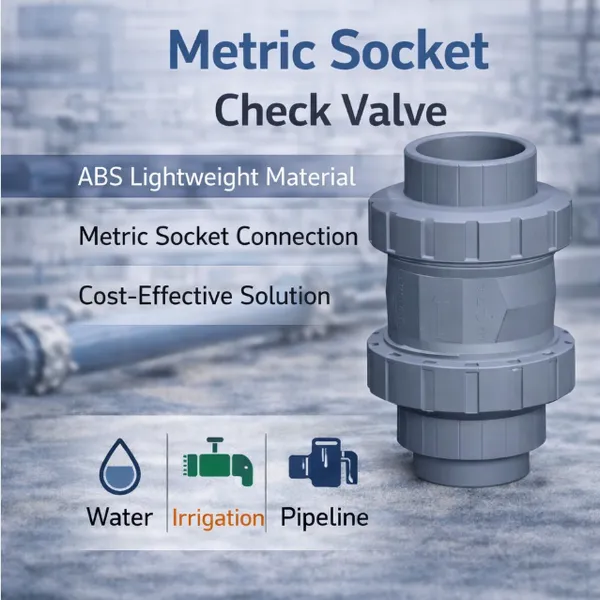
ABS Check Valve Metric Socket Non Return Valve for Water SystemUS$ 390MOQ: 1 Piece


-
ABS Diaphragm Valve Double Acting Pneumatic ANSI Flange for Water TreatmentUS$ 360MOQ: 1 Piece
-
PVC-C Diaphragm Valve Fail Safe Close Backing Flange PP-V for Chemical SystemUS$ 410MOQ: 1 Piece
-
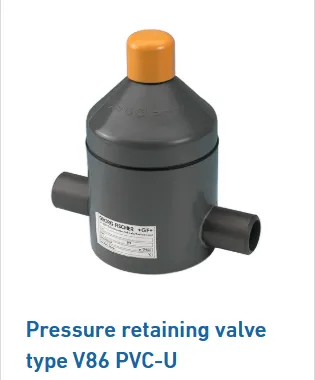
PVC Pressure Retaining Valve for Water Treatment / Chemical Pipeline Back Pressure ValveUS$ 280MOQ: 1 Piece
-
Wafer Butterfly Valve Metal PFA Lined Stainless Steel Disc Industrial Water Treatment ValveUS$ 300MOQ: 1 Piece
-
PVDF Butterfly Valve Wafer Type Chemical Resistant Industrial Water Treatment ValveUS$ 210MOQ: 1 Piece


-
9900-1P 9950 Sun Visor Package Industrial Display Protection Cover With Sunshade for Field Mounted TransmitterUS$ 380MOQ: 1 Piece
-
9900-1BC Batch Control Module for Water Treatment Dosing System PLC Automation IntegrationUS$ 370MOQ: 1 Piece
-
Electric Actuated Ball Valve 220V PVC-C Type 127 for Water Treatment System ASTMUS$ 420MOQ: 1 Box
-
Rosemount 3051 Pressure TransmittersUS$ 500 - 1000MOQ: 1 Piece
-
Beckhoff EL2889 EtherCAT Terminal 16-Channel Digital Output 24V DCUS$ 150MOQ: 1 Piece