
 Business License
Master ISO 13857: Core Guidelines for Machinery Safety Distances | SICK Academy
Preface
Safety distances are designed to prevent operators from reaching hazardous zones under specific working conditions. Whether for global & domestic compliance or physical protection of staff limbs, configuring safety distances in accordance with ISO 13857 is an indispensable step in machinery risk reduction.This article systematically interprets the definition rules and practical field applications of safety distances specified by ISO 13857.
1. Standard Basics: What Is ISO 13857?
ISO 13857:2019 Safety of machinery — Safety distances to prevent hazard zones being reached by upper and lower limbs is a dedicated international standard for defining safety distances in machinery protection. Its identical domestic counterpart is GB/T 23821-2022.
Core Functions of the Standard
Specify standardized safety distance values for guard structures to block upper/lower limbs from hazardous zones, covering industrial and non-industrial environments.
Provide distance requirements to stop lower limbs from freely entering danger areas.
Apply to personnel aged 14 and above, matching most industrial workforce scenarios.
Nature of Safety Distances
Safety distances create physical separation between protective barriers and hazardous zones to eliminate limb contact risks. They serve as critical executable measures to mitigate risks after machinery risk assessment.
2. Full-Scenario Application Rules of Safety Distances
2.1 Overhead Reach Protection
Scenarios are categorized by hazardous zone height:
High-risk condition: Hazard zone height ≥ 2700 mm
Low-risk condition (low injury severity & low occurrence probability): Hazard zone height ≥ 2500 mm
2.2 Reaching Over Protective Structures
Three critical parameters must be matched simultaneously:
hh: Height of the nearest hazardous point accessible by upper limbs
hps: Height of protective structure
Sh: Horizontal safety distance to the nearest hazardous point accessible by upper limbs
Parameter Selection Principles
If calculated values fall between table figures, adopt a larger safety distance, taller guard structure or adjusted hazardous zone height; interpolation between listed values is forbidden.
Additional protective measures are mandatory if the protective structure height is less than 1400 mm.
2.3 Restricted Curved Reach
Safety distances are determined based on limb support positions:
Only shoulder & armpit restricted movement: ≥ 850 mm
Arm supported up to elbow: ≥ 550 mm
Arm supported up to wrist: ≥ 230 mm
Arm & hand supported up to knuckles: ≥ 130 mm
2.4 Reach Through Openings
Classified by opening dimensions (square side / circle diameter / slot width):
Finger access (e ≤ 4 mm): Safety distance ≥ 2 mm
Hand access (10
Arm & shoulder access (30
Special provision for slots: If slot length ≤ 65 mm to block thumb penetration, the minimum safety distance can be reduced to 200 mm.For irregular openings: Use the minimum value of equivalent circle diameter, square side width or slot width as the judging benchmark.Warning: Slots wider than 180 mm, square/circle openings larger than 240 mm allow full-body entry and require complete enclosure guards.
2.5 Lower Limb Reach Protection
Only applicable when upper limbs cannot reach the opening:
Toe access (e ≤ 5 mm): Safety distance = 0 mm
Full foot access (35
Leg access (toe to hip, 95
3. Practical Calculation Cases for Safety Distance Verification
Case 1: Calculate guard height hps with known hh & Sh
Assumptions:
Hazard zone height hh = 1500 mm
Horizontal safety distance Sh = 800 mmCalculation Steps:
Select the next higher listed hh value (1600 mm, safer than 1400 mm for 1500 mm actual height)
Confirm Sh = 800 mm
The corresponding required protective structure height hps = 1800 mm
Case 2: Calculate horizontal safety distance Sh with known hh & hps
Assumptions:
Hazard zone height hh = 2300 mm
Protective structure height hps = 1500 mm(Table lookup to obtain qualified horizontal safety distance per standard data)
4. SICK’s Professional Capability in Machinery Risk Assessment
As a global leading supplier of sensor and safety solutions, SICK Safety Service delivers full-lifecycle services including risk assessment, safety concept design, installation commissioning and final compliance verification. We have 115 certified risk assessment engineers providing worldwide support.
Risk assessment is not just a document for audits; it is the primary safeguard for operator safety and legal compliance evidence for manufacturers.
We support equipment manufacturers, system integrators and end-users with these typical demands:✅ Complete risk assessment to meet CE certification for new machinery✅ Safety validation after equipment retrofits✅ Formal risk assessment reports for customer factory audits✅ Plant-wide systematic machinery safety upgrading
Recently Posted
-
SICK InspectorP611 Smart Camera: Automatic Laser Beam Centering Solution for Fiber Laser Cutters
July 20, 2026Industry Pain PointsFiber laser cutters are widely used in sheet metal, automotive and aerospace industries for metal plate &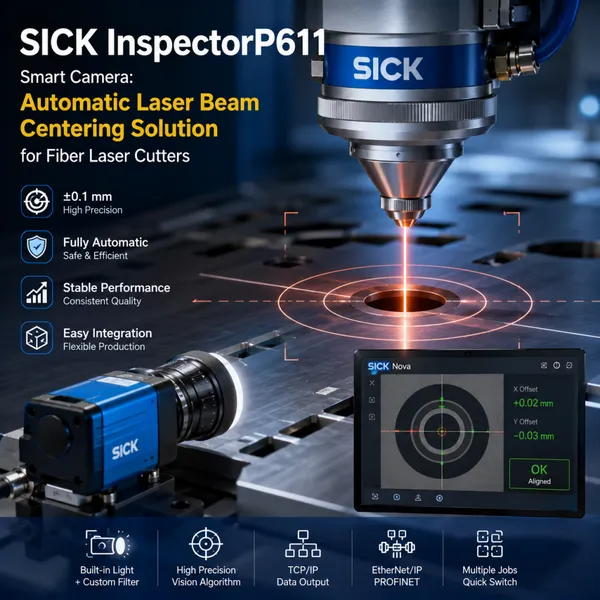 Read More
 -
New Generation SICK W12 Photoelectric Sensors Released: 37-Year Classic Gets Full Technical Upgrade
July 16, 2026IntroductionIn the industrial photoelectric detection industry, SICK W12 series is a time-tested classic. First launched in 1989,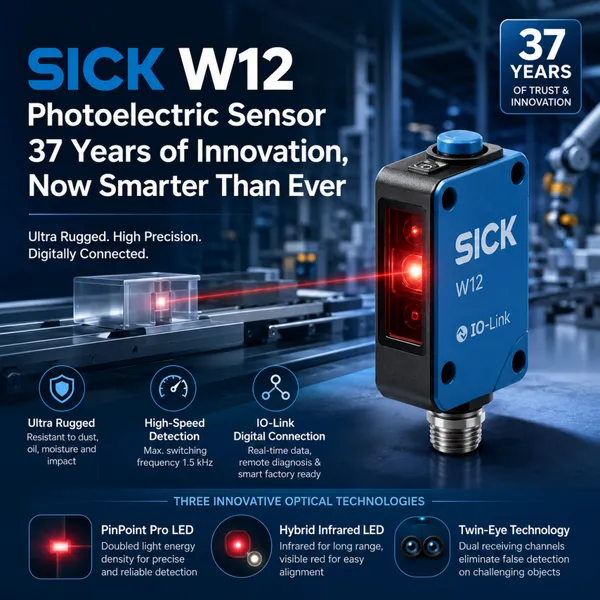 Read More
 -
SICK VMV Volume Measurement Solution: Game-Changer for Logistics Dimension Weigh Scan
July 14, 2026In modern logistics, accurate package dimension and volume measurement is the foundation of intelligent warehousing, shipping cost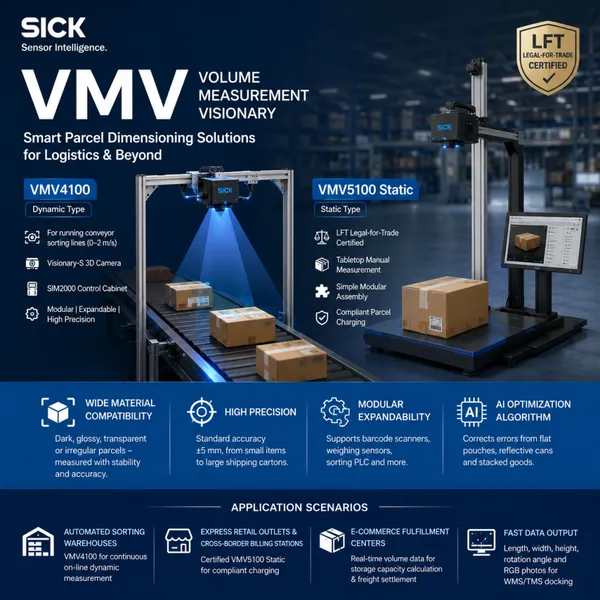 Read More
 -
Why Chemical Dosing Is Critical in Water Treatment Systems
July 10, 2026Why Chemical Dosing Is Critical in Water Treatment SystemsChemical dosing is one of the most important processes in industrial wat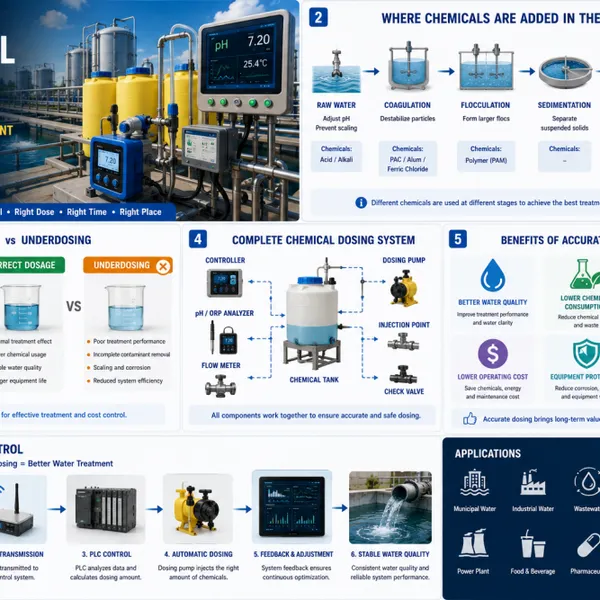 Read More

Contact Us
Recommended Products
-
 Ultrasonic Level Transmitter With Display 4-20mA HART ATEX for Water Treatment TankUS$ 330MOQ: 1 Box
 -
Multi-Parameter Transmitter Controller for Water Treatment Flow pH Conductivity SystemUS$ 220MOQ: 1 Box
-
SICK UM30-212111 Ultrasonic Proximity Sensor, 60-350mm Range, PNP NC, IP67, 9-30V DC, M30 BarrelUS$ 149 - 155MOQ: 1 Unit
-
Beckhoff EL7342 EtherCAT Terminal 2-Channel DC Motor Output Stage 48V DC 3.5A Motion Control Module With Encoder InterfaceUS$ 350MOQ: 1 Piece
-
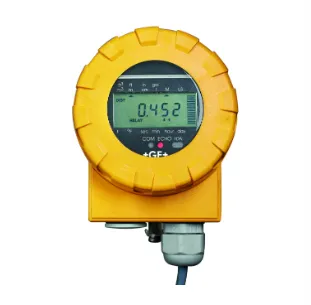
9950 Conductivity Resistivity Module Industrial Water Quality Measurement Module for 9950 Controller SystemUS$ 300MOQ: 1 Piece
-
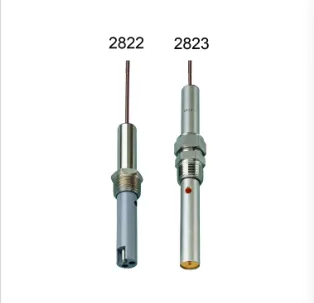
Type 2822 2823 Conductivity Sensor High Precision Conductivity Resistivity Electrode for RO and Pure Water MonitoringUS$ 350MOQ: 1 Piece
-
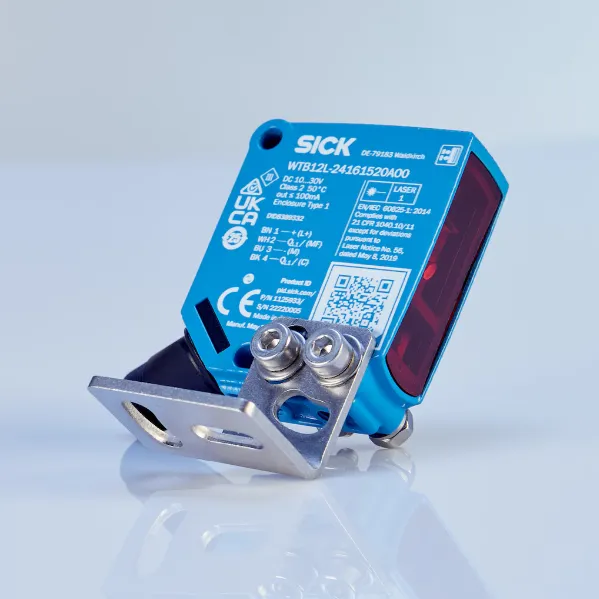
Sick W12 Series Photoelectric Sensor, Compact Industrial Diffuse/Retro-Reflective/Through-Beam Sensor, IP67, High Precision, for AutomationUS$ 231 - 263MOQ: 1 Unit
-
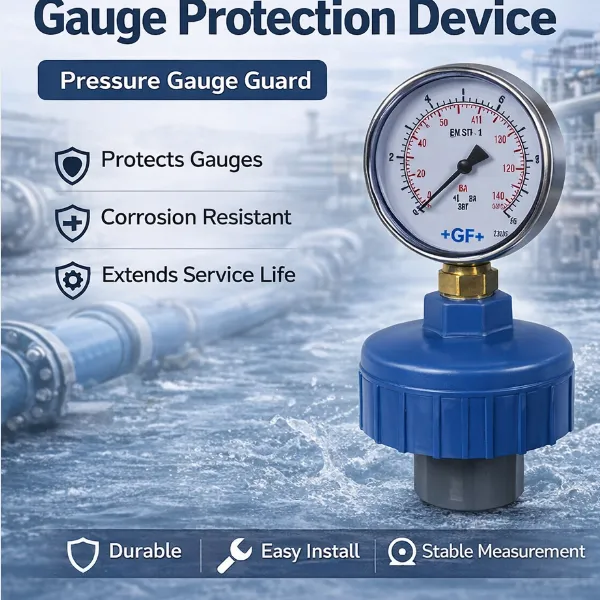
PVC Gauge Guard Pressure Gauge Protector for Pipeline SystemUS$ 360MOQ: 1 Piece
-
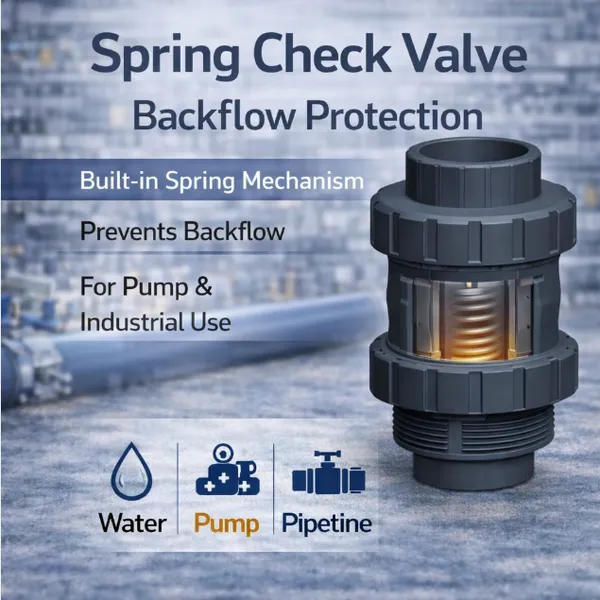
PVC Spring Check Valve BS Socket Inch Non Return Valve for Pump SystemUS$ 380MOQ: 1 Piece
-
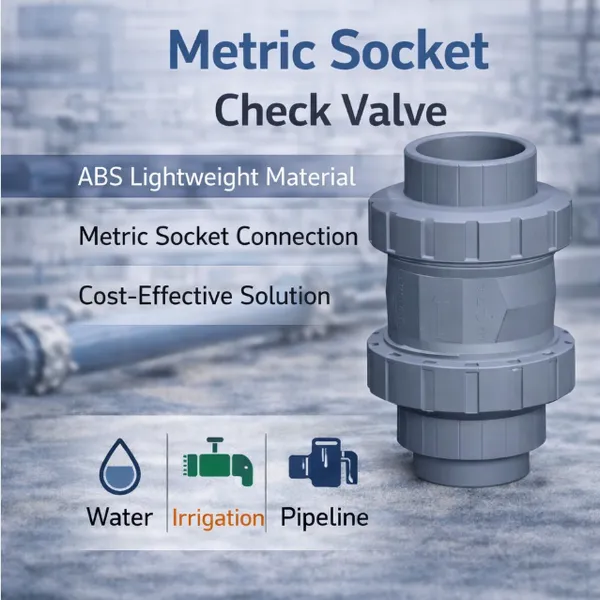
ABS Check Valve Metric Socket Non Return Valve for Water SystemUS$ 390MOQ: 1 Piece
-
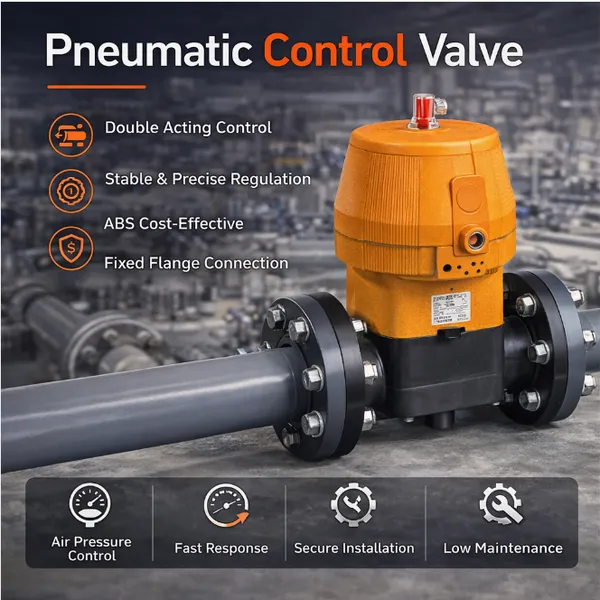
ABS Diaphragm Valve Double Acting Pneumatic ANSI Flange for Water TreatmentUS$ 360MOQ: 1 Piece
-
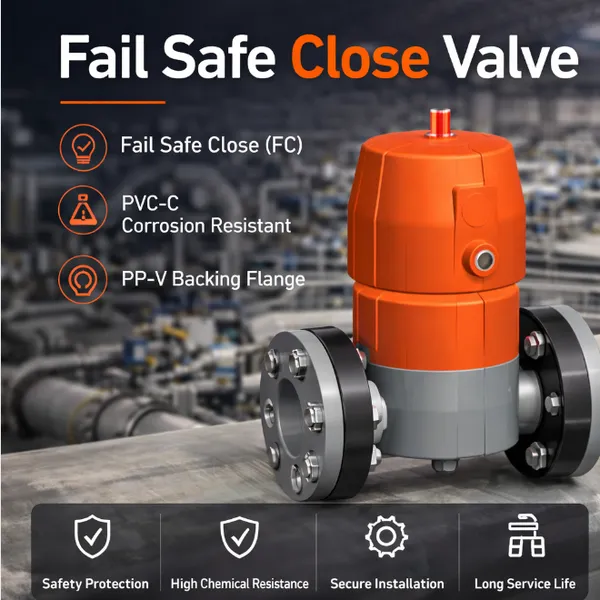
PVC-C Diaphragm Valve Fail Safe Close Backing Flange PP-V for Chemical SystemUS$ 410MOQ: 1 Piece
-
PVC Pressure Retaining Valve for Water Treatment / Chemical Pipeline Back Pressure ValveUS$ 280MOQ: 1 Piece
-
Wafer Butterfly Valve Metal PFA Lined Stainless Steel Disc Industrial Water Treatment ValveUS$ 300MOQ: 1 Piece
-
PVDF Butterfly Valve Wafer Type Chemical Resistant Industrial Water Treatment ValveUS$ 210MOQ: 1 Piece
-
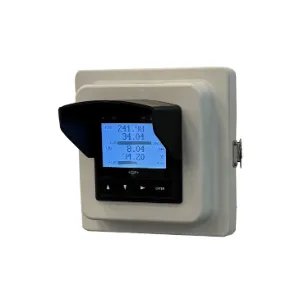
9900-1P 9950 Sun Visor Package Industrial Display Protection Cover With Sunshade for Field Mounted TransmitterUS$ 380MOQ: 1 Piece
-
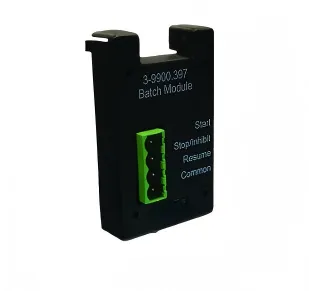
9900-1BC Batch Control Module for Water Treatment Dosing System PLC Automation IntegrationUS$ 370MOQ: 1 Piece
-
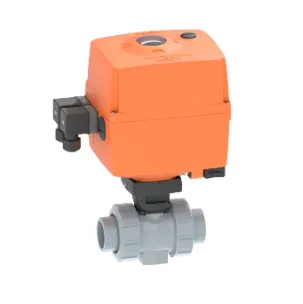
Electric Actuated Ball Valve 220V PVC-C Type 127 for Water Treatment System ASTMUS$ 420MOQ: 1 Box
-
Rosemount 3051 Pressure TransmittersUS$ 500 - 1000MOQ: 1 Piece
-
Beckhoff EL2889 EtherCAT Terminal 16-Channel Digital Output 24V DCUS$ 150MOQ: 1 Piece