
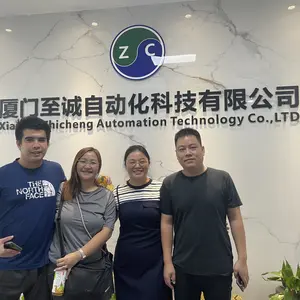
 Business License
Why Chemical Dosing Is Critical in Water Treatment Systems
Why Chemical Dosing Is Critical in Water Treatment Systems
Chemical dosing is one of the most important processes in industrial water treatment.
Whether treating raw water, wastewater, or process water, accurate chemical dosing directly affects treatment efficiency, water quality, and operating costs.
A well-designed dosing system helps maintain stable performance while protecting downstream equipment.
What Is Chemical Dosing?
Chemical dosing is the controlled injection of treatment chemicals into a water system.
Depending on the application, chemicals may be used for:
pH adjustment
Coagulation and flocculation
Disinfection
Scale prevention
Corrosion control
The objective is to create the right water conditions for each treatment stage.
Why Accurate Dosing Matters
Incorrect dosing can cause significant operational problems.
Overdosing may lead to:
Increased chemical consumption
Higher operating costs
Equipment damage
Water quality instability
Underdosing may result in:
Poor treatment performance
Incomplete contaminant removal
Scaling and corrosion
Reduced system efficiency
Accurate dosing improves both treatment quality and cost control.
Key Components of a Chemical Dosing System
A complete dosing system typically includes:
Chemical storage tank
Dosing pump
Flow meter
pH / ORP analyzer
Controller
Injection point
These components work together to ensure chemicals are delivered safely and accurately.
Best Practices for Stable Chemical Dosing
To improve dosing performance:
✔ Monitor water quality continuously
✔ Calibrate dosing equipment regularly
✔ Match chemical dosage to flow changes
✔ Inspect pumps and injection lines
✔ Review dosing data for process optimization
Consistent monitoring helps prevent unnecessary chemical use and improves long-term system reliability.
Benefits of Proper Chemical Dosing
An optimized dosing system helps:
Improve water quality
Reduce chemical waste
Lower operating costs
Protect equipment
Improve treatment efficiency
Extend equipment life
Final Thoughts
Chemical dosing is not simply about adding chemicals.
It is about delivering the right amount, at the right time, in the right location.
Accurate dosing is one of the foundations of a stable and efficient water treatment system.
Need Reliable Water Treatment Solutions?
Whether U are upgrading a dosing system or improving an existing water treatment process, selecting the right instrumentation, pumps, and control strategy can significantly improve performance and reduce operating costs.
Recently Posted
-
SICK InspectorP611 Smart Camera: Automatic Laser Beam Centering Solution for Fiber Laser Cutters
July 20, 2026Industry Pain PointsFiber laser cutters are widely used in sheet metal, automotive and aerospace industries for metal plate &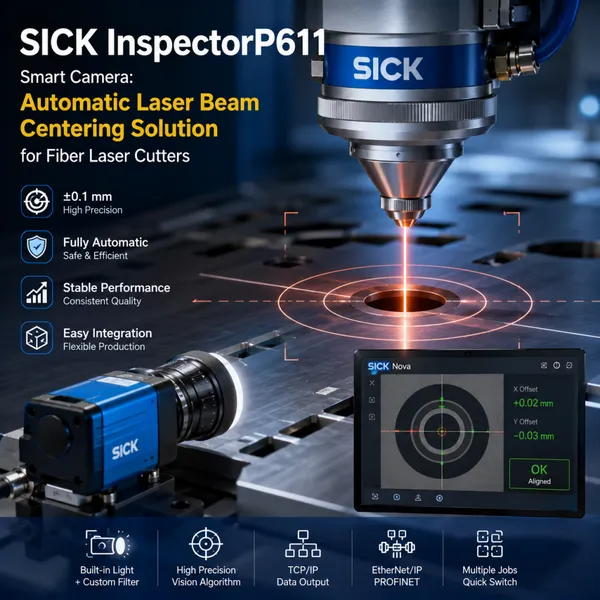 Read More
 -
New Generation SICK W12 Photoelectric Sensors Released: 37-Year Classic Gets Full Technical Upgrade
July 16, 2026IntroductionIn the industrial photoelectric detection industry, SICK W12 series is a time-tested classic. First launched in 1989,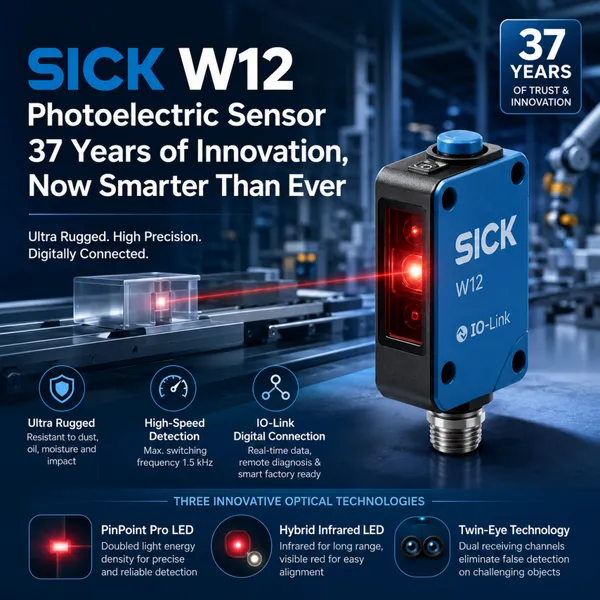 Read More
 -
SICK VMV Volume Measurement Solution: Game-Changer for Logistics Dimension Weigh Scan
July 14, 2026In modern logistics, accurate package dimension and volume measurement is the foundation of intelligent warehousing, shipping cost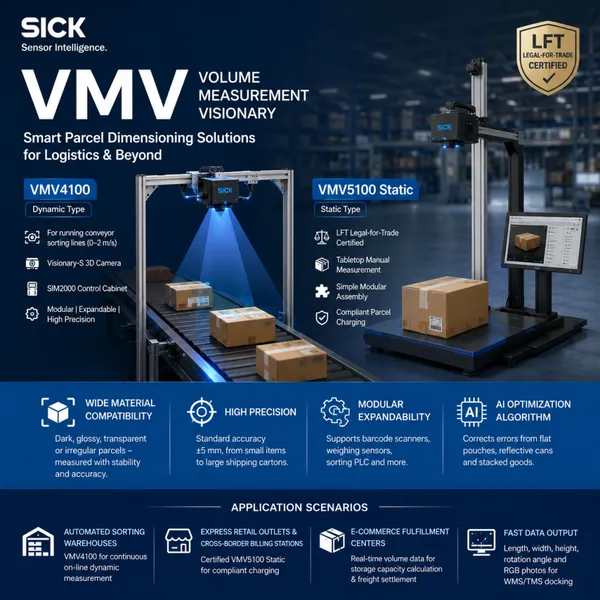 Read More
 -
Master ISO 13857: Core Guidelines for Machinery Safety Distances | SICK Academy
July 9, 2026PrefaceSafety distances are designed to prevent operators from reaching hazardous zones under specific working conditions. Whether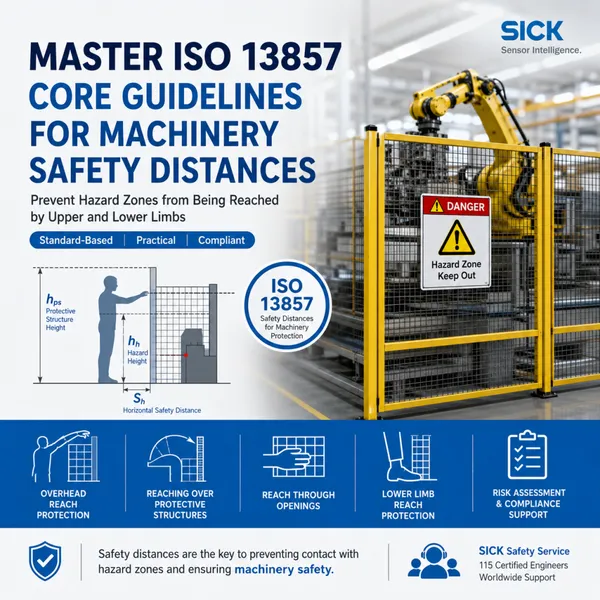 Read More

Contact Us
Recommended Products
-
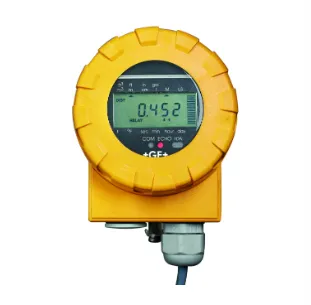
 Ultrasonic Level Transmitter With Display 4-20mA HART ATEX for Water Treatment TankUS$ 330MOQ: 1 Box
 -
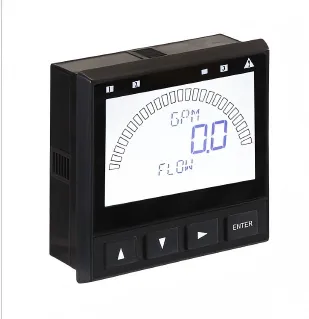
Multi-Parameter Transmitter Controller for Water Treatment Flow pH Conductivity SystemUS$ 220MOQ: 1 Box
-
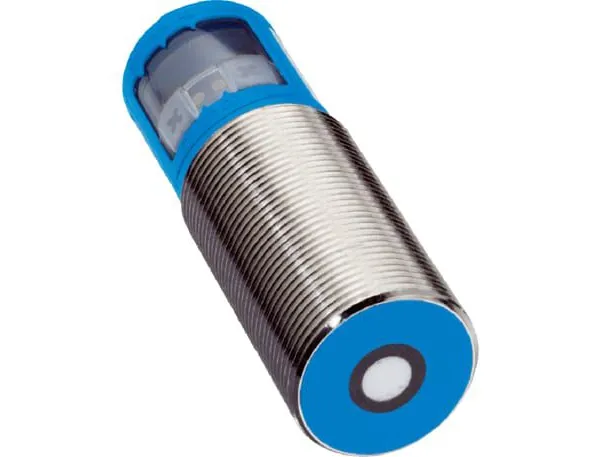
SICK UM30-212111 Ultrasonic Proximity Sensor, 60-350mm Range, PNP NC, IP67, 9-30V DC, M30 BarrelUS$ 149 - 155MOQ: 1 Unit
-
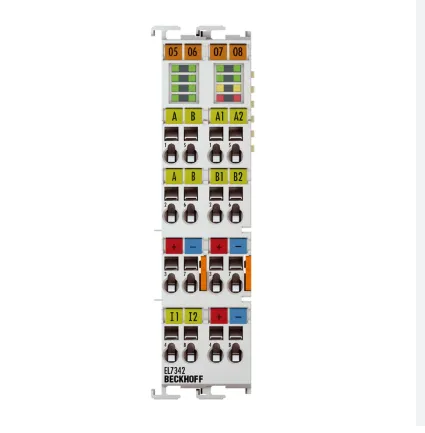
Beckhoff EL7342 EtherCAT Terminal 2-Channel DC Motor Output Stage 48V DC 3.5A Motion Control Module With Encoder InterfaceUS$ 350MOQ: 1 Piece
-
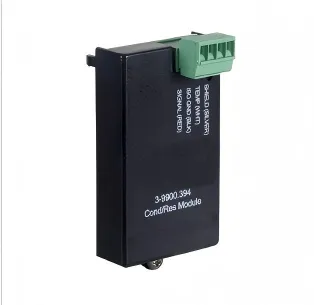
9950 Conductivity Resistivity Module Industrial Water Quality Measurement Module for 9950 Controller SystemUS$ 300MOQ: 1 Piece
-
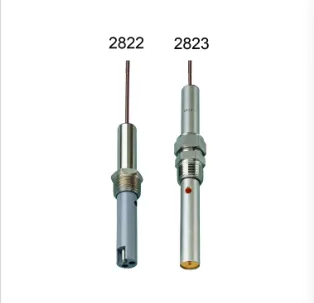
Type 2822 2823 Conductivity Sensor High Precision Conductivity Resistivity Electrode for RO and Pure Water MonitoringUS$ 350MOQ: 1 Piece
-
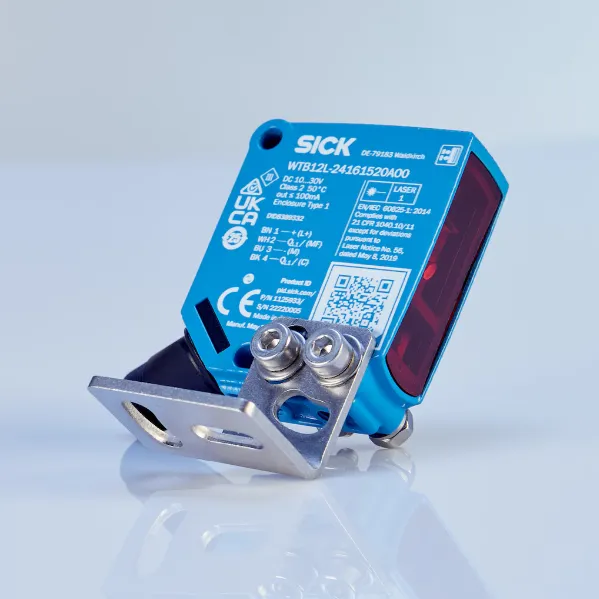
Sick W12 Series Photoelectric Sensor, Compact Industrial Diffuse/Retro-Reflective/Through-Beam Sensor, IP67, High Precision, for AutomationUS$ 231 - 263MOQ: 1 Unit
-
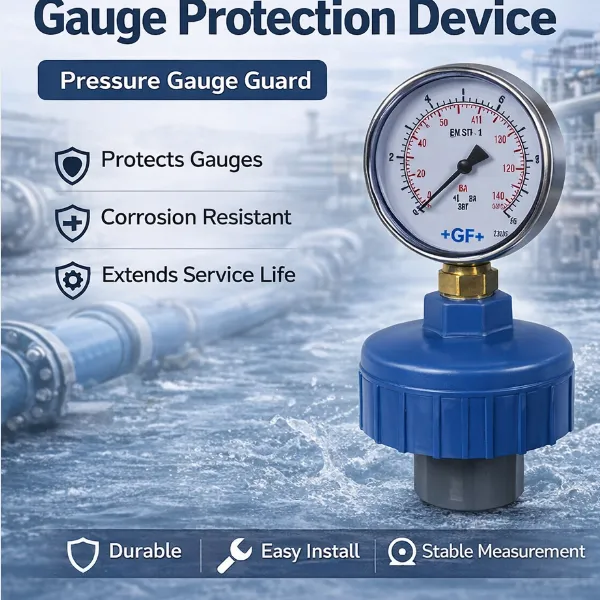
PVC Gauge Guard Pressure Gauge Protector for Pipeline SystemUS$ 360MOQ: 1 Piece
-
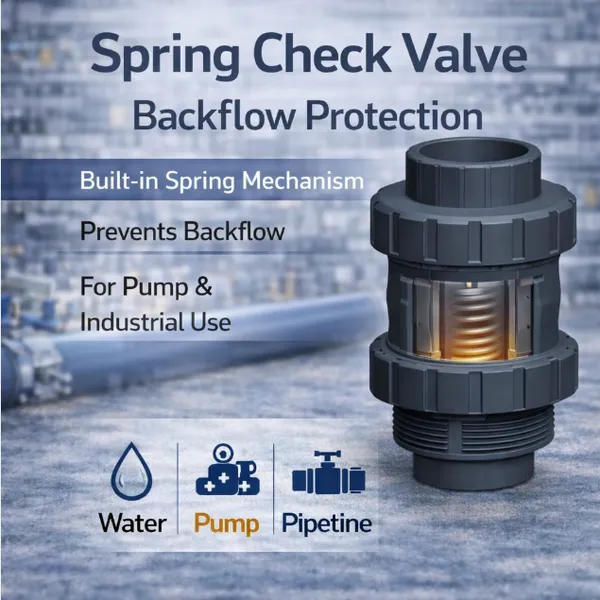
PVC Spring Check Valve BS Socket Inch Non Return Valve for Pump SystemUS$ 380MOQ: 1 Piece
-
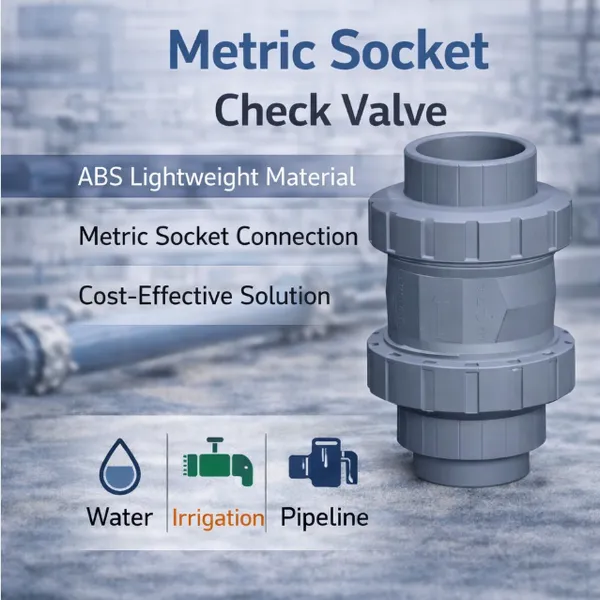
ABS Check Valve Metric Socket Non Return Valve for Water SystemUS$ 390MOQ: 1 Piece
-
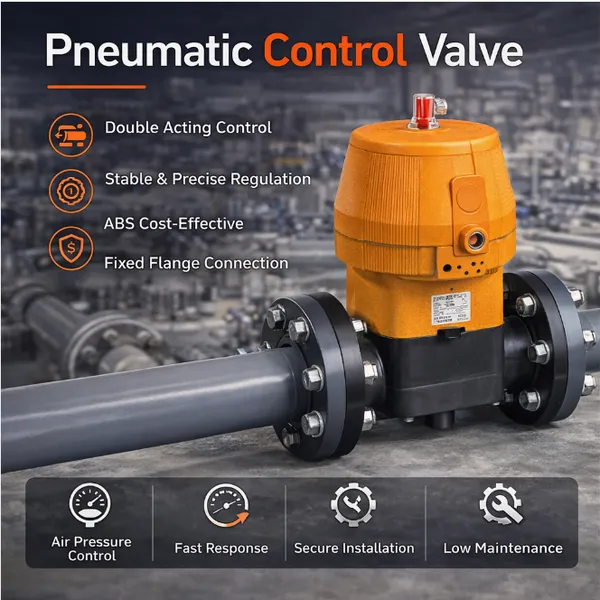
ABS Diaphragm Valve Double Acting Pneumatic ANSI Flange for Water TreatmentUS$ 360MOQ: 1 Piece
-
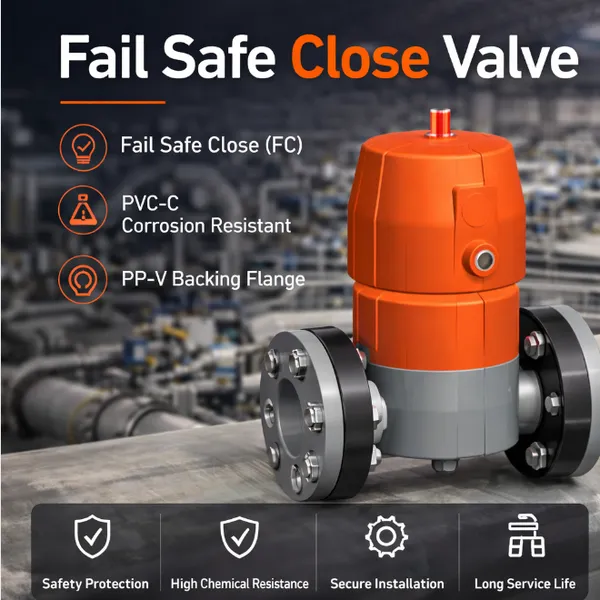
PVC-C Diaphragm Valve Fail Safe Close Backing Flange PP-V for Chemical SystemUS$ 410MOQ: 1 Piece
-
PVC Pressure Retaining Valve for Water Treatment / Chemical Pipeline Back Pressure ValveUS$ 280MOQ: 1 Piece
-
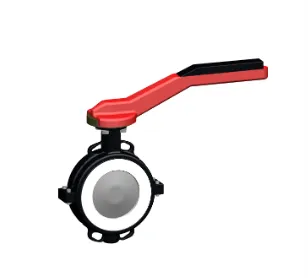
Wafer Butterfly Valve Metal PFA Lined Stainless Steel Disc Industrial Water Treatment ValveUS$ 300MOQ: 1 Piece
-
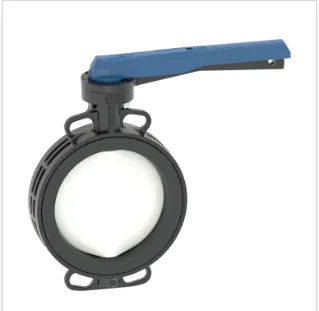
PVDF Butterfly Valve Wafer Type Chemical Resistant Industrial Water Treatment ValveUS$ 210MOQ: 1 Piece
-
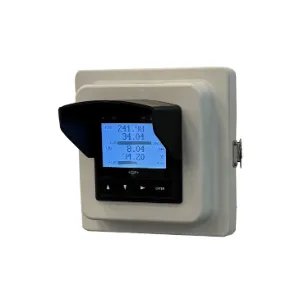
9900-1P 9950 Sun Visor Package Industrial Display Protection Cover With Sunshade for Field Mounted TransmitterUS$ 380MOQ: 1 Piece
-
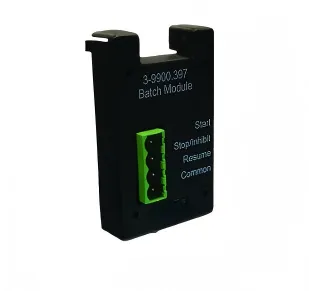
9900-1BC Batch Control Module for Water Treatment Dosing System PLC Automation IntegrationUS$ 370MOQ: 1 Piece
-
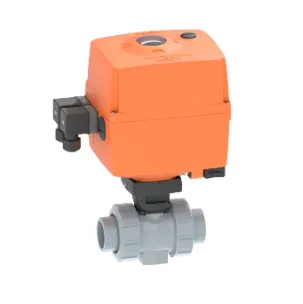
Electric Actuated Ball Valve 220V PVC-C Type 127 for Water Treatment System ASTMUS$ 420MOQ: 1 Box
-
Rosemount 3051 Pressure TransmittersUS$ 500 - 1000MOQ: 1 Piece
-
Beckhoff EL2889 EtherCAT Terminal 16-Channel Digital Output 24V DCUS$ 150MOQ: 1 Piece