
 Business License
How Adaptive Automation Solves Small-Batch Pharmaceutical Packaging Challenges
How Adaptive Automation Solves Small-Batch Pharmaceutical Packaging Challenges
Keywords:
Pharmaceutical Packaging Automation
Adaptive Automation
Flexible Manufacturing
Medical IV Bag Production
Industrial Automation Solution
How Adaptive Automation Solves Small-Batch Pharmaceutical Packaging Challenges
As pharmaceutical manufacturers move toward personalized medicine and customized healthcare products, production lines must become more flexible than ever before.
Traditional packaging systems often struggle with:
Long product changeover times
Limited flexibility
High material waste
Complex maintenance
Strict GMP compliance requirements
To stay competitive, manufacturers are increasingly adopting adaptive automation technologies that improve production efficiency while maintaining product quality and regulatory compliance.
Why Traditional Production Is No Longer Enough
Conventional production lines are designed for high-volume manufacturing of a single product.
However, today's pharmaceutical industry requires:
Small-batch production
Multiple product variants
Faster delivery
Full product traceability
Frequent mechanical adjustments between different product sizes not only increase downtime but also raise operating costs.
Manufacturers need smarter and more flexible production systems.
How Adaptive Automation Improves Pharmaceutical Packaging
Adaptive automation enables production lines to respond quickly to changing manufacturing requirements.
Modern motion control technology allows products to move independently throughout the production process, eliminating unnecessary mechanical adjustments.
Key advantages include:
Faster product changeovers
Continuous production
Higher equipment utilization
Reduced manual intervention
Improved production transparency
These improvements help manufacturers increase productivity while reducing operating costs.
Typical Production Process
A modern pharmaceutical packaging line generally includes:
Material Feeding
Forming
Filling
Sealing
Inspection
Packaging
By integrating intelligent automation throughout each stage, manufacturers can improve process consistency and product quality.
Five Key Benefits of Adaptive Automation
1. Faster Product Changeover
Switch between different product specifications without complex mechanical adjustments.
2. Higher Production Efficiency
Reduce downtime and maximize equipment utilization.
3. Better Product Traceability
Integrated production data helps improve quality management and regulatory compliance.
4. Lower Material Waste
Accurate motion control minimizes production losses and improves resource utilization.
5. Improved Product Quality
Stable and repeatable production processes ensure consistent packaging quality.
Digital Manufacturing Creates Smarter Factories
Digital engineering technologies provide real-time visibility into production performance.
Manufacturers can:
Monitor equipment status
Collect production data
Predict maintenance requirements
Optimize production scheduling
Improve decision-making
A connected production line delivers greater reliability and long-term operational efficiency.
Looking Ahead
Flexible manufacturing is becoming a key competitive advantage for pharmaceutical companies.
By adopting adaptive automation technologies, manufacturers can:
Respond quickly to changing market demands
Improve production flexibility
Reduce operating costs
Enhance product quality
Maintain regulatory compliance
Modern automation is no longer simply about increasing production speed—it is about building smarter, more agile manufacturing systems.
Need Industrial Automation Solutions?
If U are upgrading pharmaceutical packaging equipment or maintaining existing production lines, reliable industrial automation components and professional technical support can help improve production efficiency and reduce downtime.
Share your project requirements, and we'll be glad to discuss suitable automation solutions for your application.
Recently Posted
-
SICK InspectorP611 Smart Camera: Automatic Laser Beam Centering Solution for Fiber Laser Cutters
July 20, 2026Industry Pain PointsFiber laser cutters are widely used in sheet metal, automotive and aerospace industries for metal plate &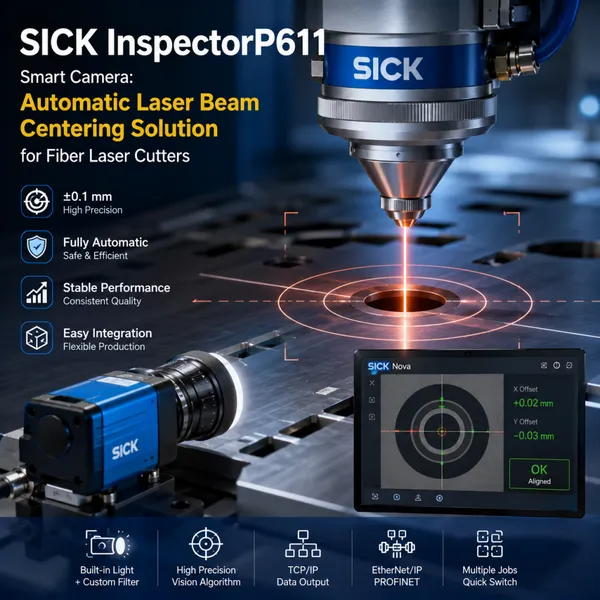 Read More
 -
New Generation SICK W12 Photoelectric Sensors Released: 37-Year Classic Gets Full Technical Upgrade
July 16, 2026IntroductionIn the industrial photoelectric detection industry, SICK W12 series is a time-tested classic. First launched in 1989,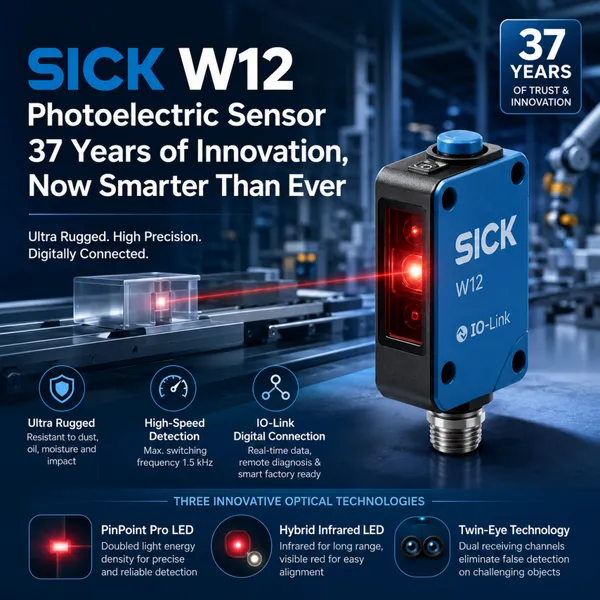 Read More
 -
SICK VMV Volume Measurement Solution: Game-Changer for Logistics Dimension Weigh Scan
July 14, 2026In modern logistics, accurate package dimension and volume measurement is the foundation of intelligent warehousing, shipping cost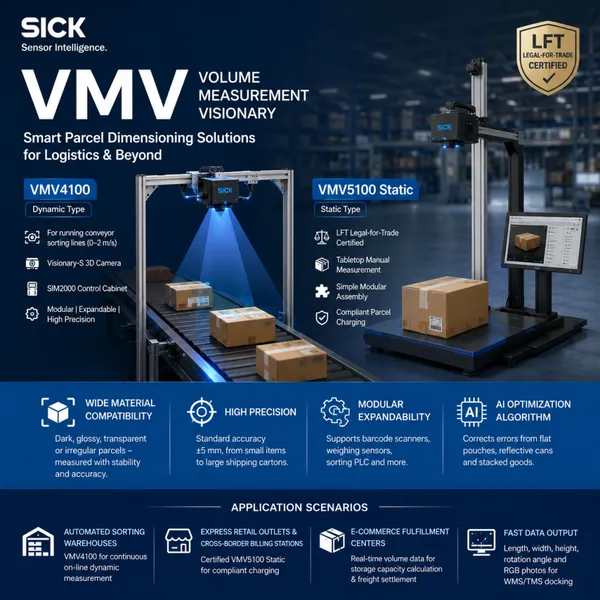 Read More
 -
Why Chemical Dosing Is Critical in Water Treatment Systems
July 10, 2026Why Chemical Dosing Is Critical in Water Treatment SystemsChemical dosing is one of the most important processes in industrial wat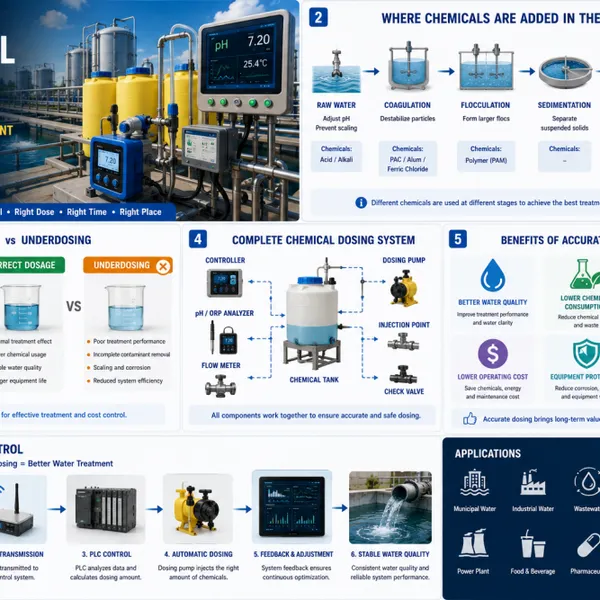 Read More

Contact Us
Recommended Products
-
 Ultrasonic Level Transmitter With Display 4-20mA HART ATEX for Water Treatment TankUS$ 330MOQ: 1 Box
 -
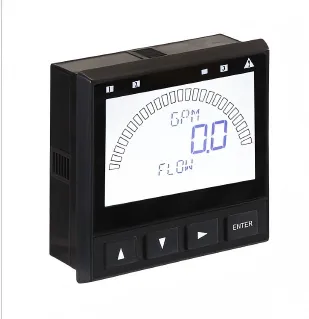
Multi-Parameter Transmitter Controller for Water Treatment Flow pH Conductivity SystemUS$ 220MOQ: 1 Box
-
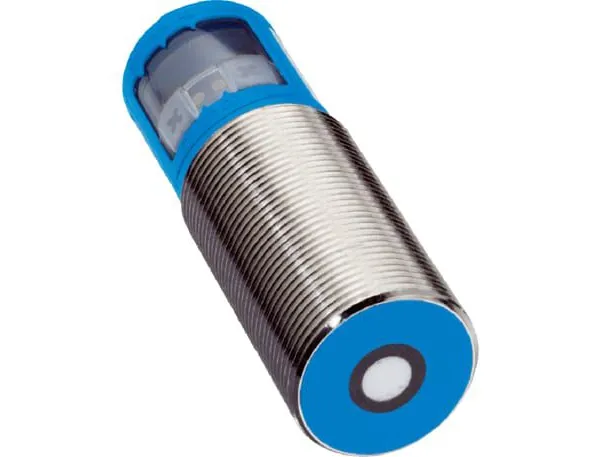
SICK UM30-212111 Ultrasonic Proximity Sensor, 60-350mm Range, PNP NC, IP67, 9-30V DC, M30 BarrelUS$ 149 - 155MOQ: 1 Unit
-
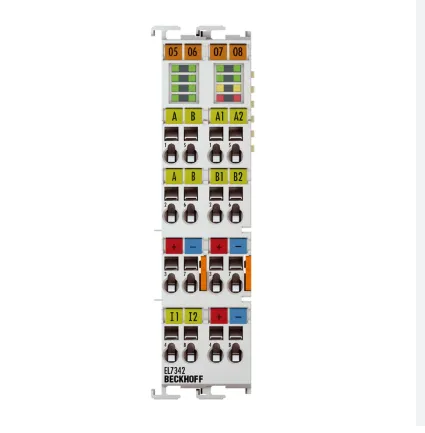
Beckhoff EL7342 EtherCAT Terminal 2-Channel DC Motor Output Stage 48V DC 3.5A Motion Control Module With Encoder InterfaceUS$ 350MOQ: 1 Piece
-
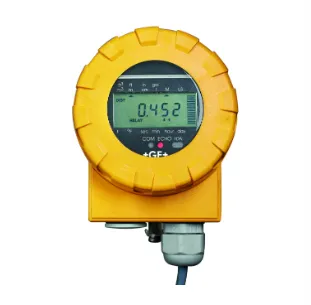
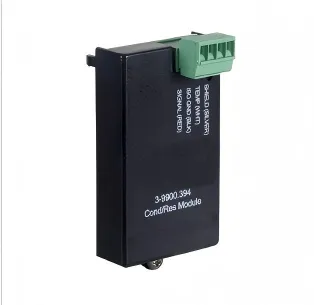
9950 Conductivity Resistivity Module Industrial Water Quality Measurement Module for 9950 Controller SystemUS$ 300MOQ: 1 Piece
-
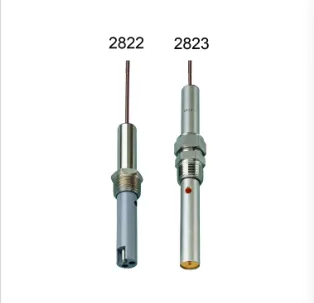
Type 2822 2823 Conductivity Sensor High Precision Conductivity Resistivity Electrode for RO and Pure Water MonitoringUS$ 350MOQ: 1 Piece
-
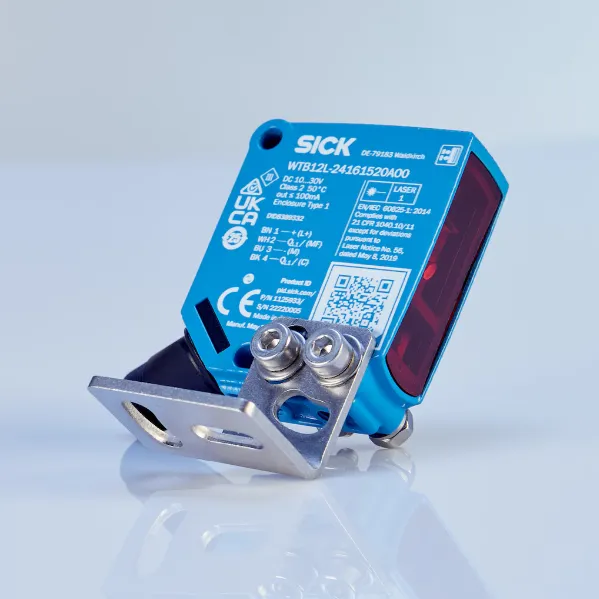
Sick W12 Series Photoelectric Sensor, Compact Industrial Diffuse/Retro-Reflective/Through-Beam Sensor, IP67, High Precision, for AutomationUS$ 231 - 263MOQ: 1 Unit
-
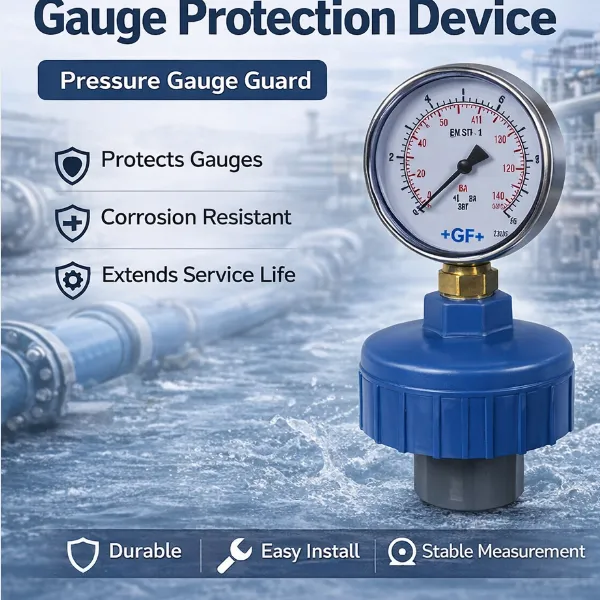
PVC Gauge Guard Pressure Gauge Protector for Pipeline SystemUS$ 360MOQ: 1 Piece
-
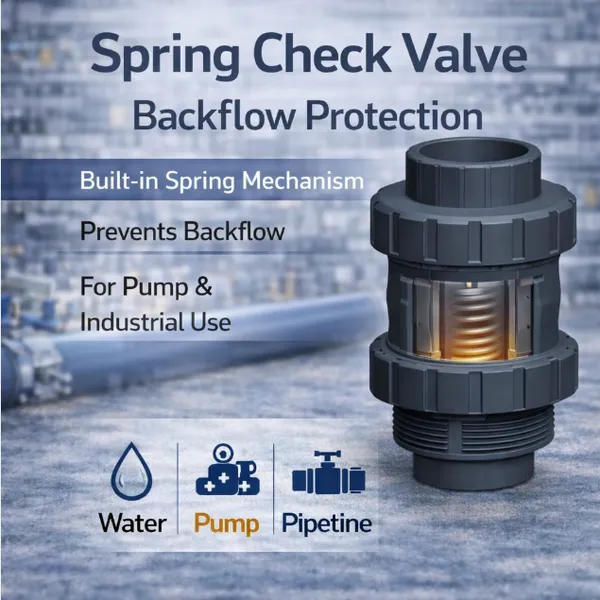
PVC Spring Check Valve BS Socket Inch Non Return Valve for Pump SystemUS$ 380MOQ: 1 Piece
-
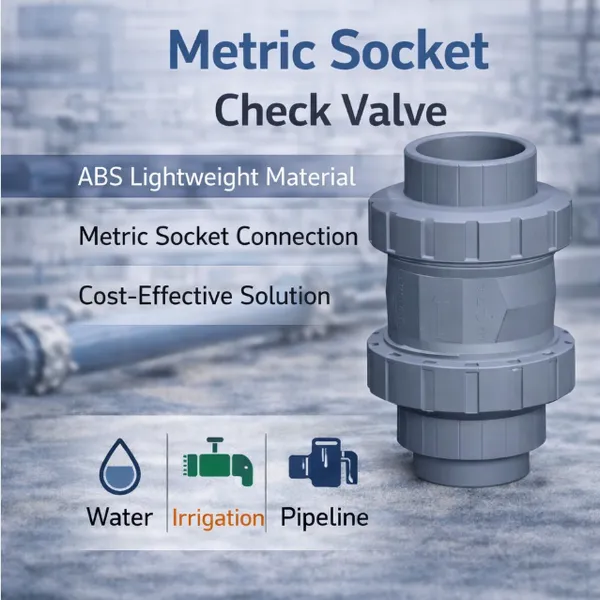
ABS Check Valve Metric Socket Non Return Valve for Water SystemUS$ 390MOQ: 1 Piece
-
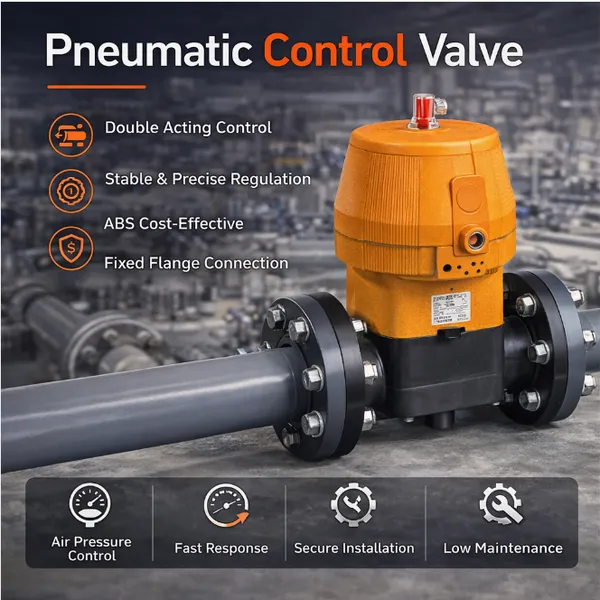
ABS Diaphragm Valve Double Acting Pneumatic ANSI Flange for Water TreatmentUS$ 360MOQ: 1 Piece
-
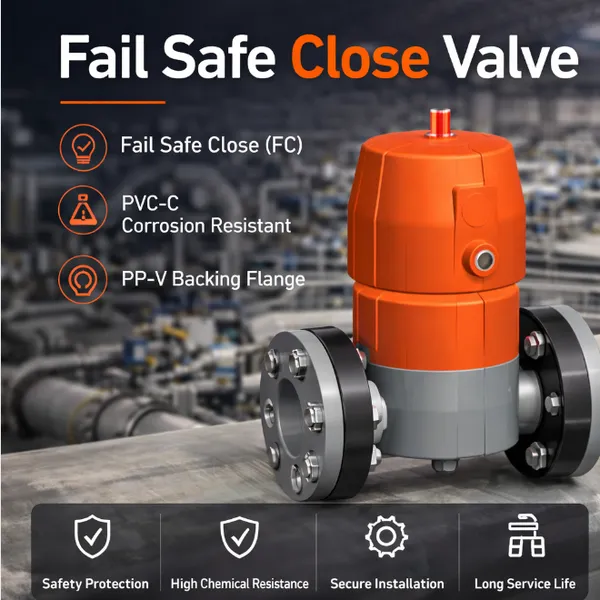
PVC-C Diaphragm Valve Fail Safe Close Backing Flange PP-V for Chemical SystemUS$ 410MOQ: 1 Piece
-
PVC Pressure Retaining Valve for Water Treatment / Chemical Pipeline Back Pressure ValveUS$ 280MOQ: 1 Piece
-
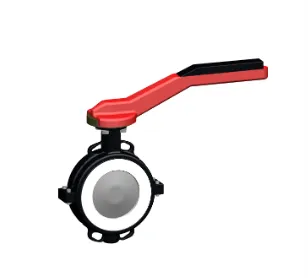
Wafer Butterfly Valve Metal PFA Lined Stainless Steel Disc Industrial Water Treatment ValveUS$ 300MOQ: 1 Piece
-
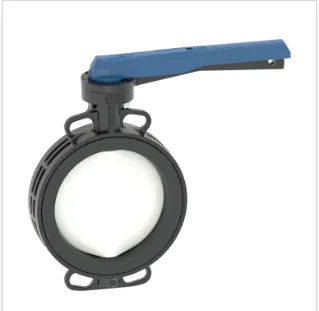
PVDF Butterfly Valve Wafer Type Chemical Resistant Industrial Water Treatment ValveUS$ 210MOQ: 1 Piece
-
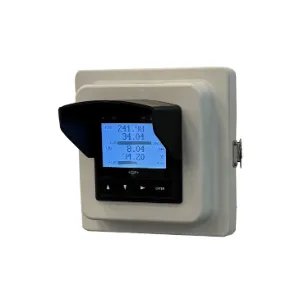
9900-1P 9950 Sun Visor Package Industrial Display Protection Cover With Sunshade for Field Mounted TransmitterUS$ 380MOQ: 1 Piece
-
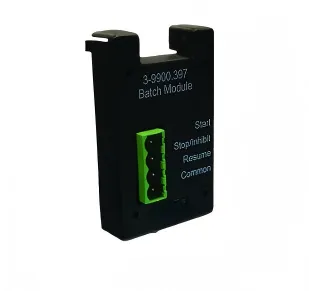
9900-1BC Batch Control Module for Water Treatment Dosing System PLC Automation IntegrationUS$ 370MOQ: 1 Piece
-
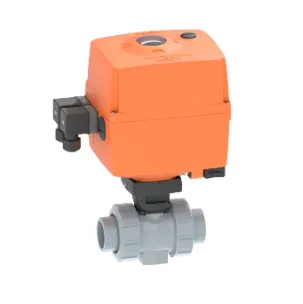
Electric Actuated Ball Valve 220V PVC-C Type 127 for Water Treatment System ASTMUS$ 420MOQ: 1 Box
-
Rosemount 3051 Pressure TransmittersUS$ 500 - 1000MOQ: 1 Piece
-
Beckhoff EL2889 EtherCAT Terminal 16-Channel Digital Output 24V DCUS$ 150MOQ: 1 Piece