
 Business License
Why VFDs Damage Motors and Practical Protection Solutions
Introduction
VFDs (Variable Frequency Drives) are standard industrial equipment for motor speed control and energy saving, widely used on fans, pumps, conveyors and processing machinery.
However, factory maintenance teams often face a frustrating issue: ordinary motors driven by VFDs wear out far faster than grid-powered motors. Sudden winding breakdown or bearing burnout leads to unplanned downtime, high replacement costs and production losses.
This article breaks down the hidden hazards of PWM output from drives and shares easy-to-implement protective measures.
1. Core Root Cause: PWM Pulse Voltage
Mains power supplies smooth sine wave voltage to motors. VFDs operate differently:
Convert AC to DC via rectifiers
Generate high-frequency PWM pulse signals through inverters to adjust motor speed
This pulse waveform is the source of all motor damage, triggering two typical failure modes: winding insulation aging and bearing electrical corrosion.
2. Failure Mode 1: Stator Winding Insulation Breakdown
How damage happens
When PWM pulses travel through connecting cables, impedance mismatch creates reflected voltage waves.Superimposed incident and reflected waves produce severe voltage spikes, reaching nearly 3 times the rated input voltage.
High-voltage surges repeatedly strike winding insulation
Higher carrier frequency generates more spikes per minute
Extra heat from high-frequency components accelerates insulation fatigue
Visible consequences
Insulation cracks, short circuits between coils, sudden motor tripping during operation.
3. Failure Mode 2: Electric Erosion of Motor Bearings
How damage happens
Asymmetric magnetic fields from PWM induce 10–30V shaft voltage on the motor rotor.Once shaft voltage breaks down the insulating oil film inside bearings, tiny electric arcs form constantly.
Arcs burn micro pits on bearing balls and races
Pits expand into grooves under long-term vibration
Obvious abnormal noise, vibration and eventual bearing seizure
Critical reminder
The lower the motor running frequency, the higher the shaft voltage and the more severe bearing damage.
4. Targeted Protection Solutions (Sorted by Cost & Effect)
① Output Reactor — Low-cost basic solution
Suitable: Cable length ≤30mAdvantage: Affordable, simple installationFunction: Suppress partial voltage spikes, slow insulation aging
② dv/dt Filter — Mid-range comprehensive protection
Suitable: Cable length ≤300mAdvantage: Far stronger spike suppression than reactorsFunction: Limit steep voltage changes from PWM pulses
③ Sine Wave Filter — Premium full protection
Suitable: Any long cable distance, high-standard production linesAdvantage: Convert PWM pulses back to clean sine waveFunction: Eliminate voltage spikes entirely; motors run same as grid power
④ Peak Voltage Absorber — Compact all-in-one protector
Suitable: High-power heavy-duty motorsAdvantage: Small footprint, low voltage dropFunction: Protect both windings and bearings at the same time
Extra Tip for New Projects
Select dedicated inverter-duty motors with reinforced winding insulation from the start to reduce later modification costs.
5. Conclusion
VFDs deliver outstanding energy efficiency and flexible speed control, yet built-in PWM voltage brings unavoidable risks to standard motors.
By matching protective components based on cable length, motor power and working conditions, factories can effectively avoid premature motor damage, extend equipment service life and guarantee stable continuous production.
Recently Posted
-
Why Your RO Membrane Keeps Fouling Even After Cleaning
June 16, 2026Why Your RO Membrane Keeps Fouling Even After CleaningMany water treatment operators face a frustrating problem:The membrane is cl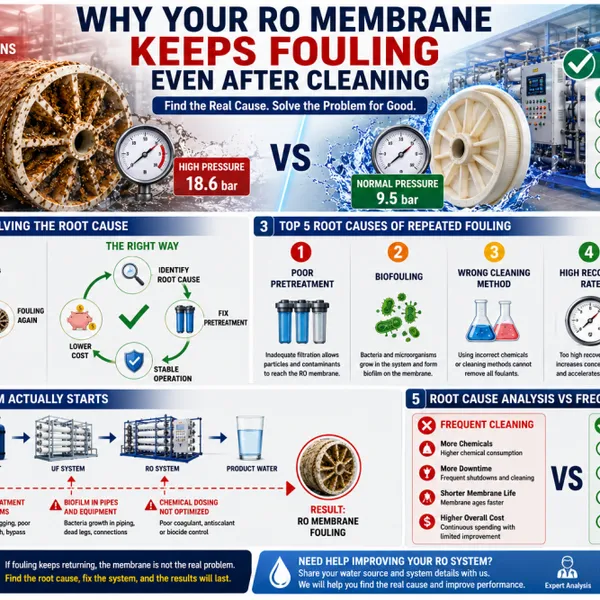 Read More
 -
Top 5 Reasons for RO Membrane Fouling (And How to Prevent It)
June 11, 2026Top 5 Reasons for RO Membrane Fouling (And How to Prevent It)RO membrane fouling is one of the most common problems in water treat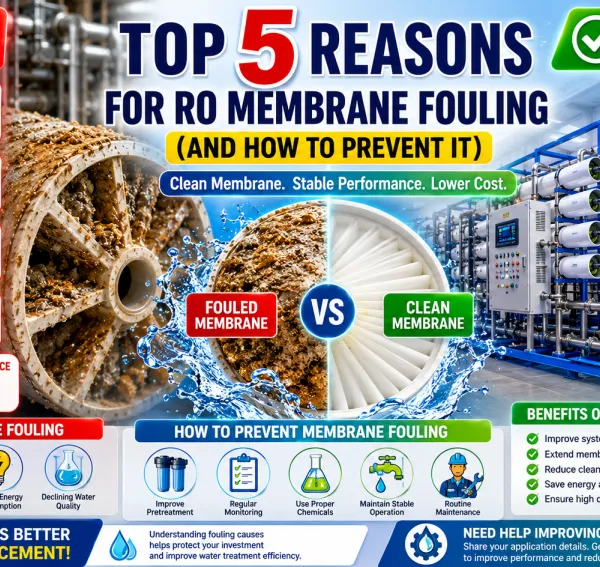 Read More
 -
Digital Transformation in Industrial Automation: How Smart Systems Are Reshaping Manufacturing Effic
June 10, 2026Introduction: The Acceleration of Industrial DigitalizationIndustrial manufacturing is undergoing a rapid transformation driven by Read More
 -
Why Energy Consumption Is Rising in RO Systems (And How to Reduce It)
June 9, 2026Why Energy Consumption Is Rising in RO Systems (And How to Reduce It)For many industrial water treatment plants, energy cost is on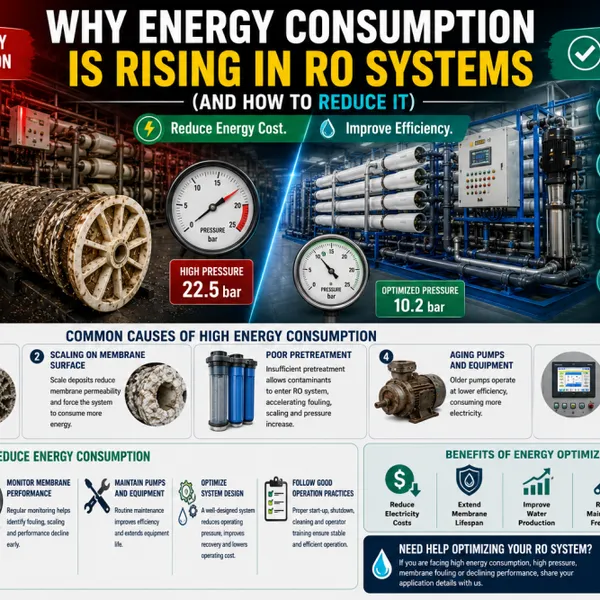 Read More

Contact Us
Recommended Products
-
 Ultrasonic Level Transmitter With Display 4-20mA HART ATEX for Water Treatment TankUS$ 330MOQ: 1 Box
 -
Multi-Parameter Transmitter Controller for Water Treatment Flow pH Conductivity SystemUS$ 220MOQ: 1 Box
-
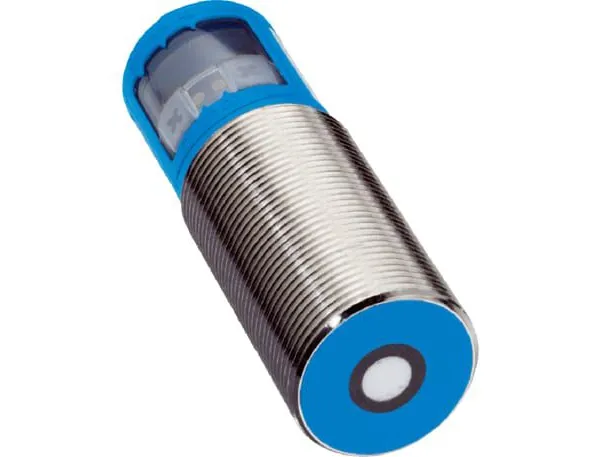
SICK UM30-212111 Ultrasonic Proximity Sensor, 60-350mm Range, PNP NC, IP67, 9-30V DC, M30 BarrelUS$ 149 - 155MOQ: 1 Unit
-
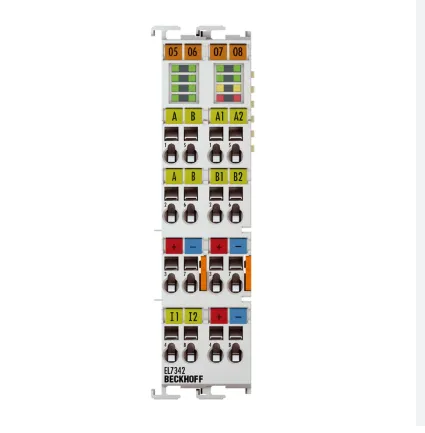
Beckhoff EL7342 EtherCAT Terminal 2-Channel DC Motor Output Stage 48V DC 3.5A Motion Control Module With Encoder InterfaceUS$ 350MOQ: 1 Piece
-
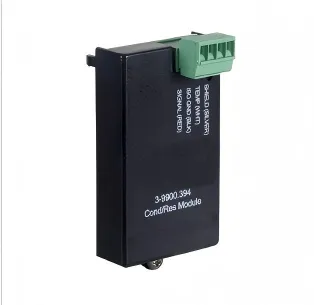
9950 Conductivity Resistivity Module Industrial Water Quality Measurement Module for 9950 Controller SystemUS$ 300MOQ: 1 Piece
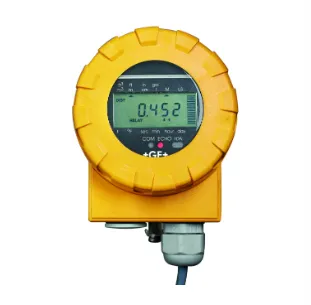
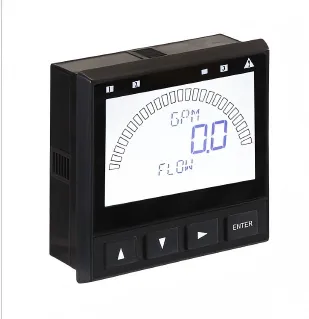
-
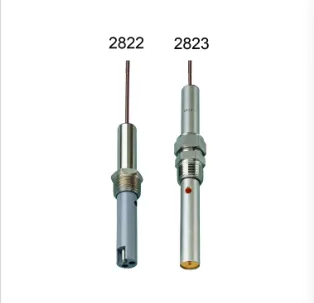
Type 2822 2823 Conductivity Sensor High Precision Conductivity Resistivity Electrode for RO and Pure Water MonitoringUS$ 350MOQ: 1 Piece
-
Sick W12 Series Photoelectric Sensor, Compact Industrial Diffuse/Retro-Reflective/Through-Beam Sensor, IP67, High Precision, for AutomationUS$ 231 - 263MOQ: 1 Unit
-
PVC Gauge Guard Pressure Gauge Protector for Pipeline SystemUS$ 360MOQ: 1 Piece
-
PVC Spring Check Valve BS Socket Inch Non Return Valve for Pump SystemUS$ 380MOQ: 1 Piece
-
ABS Check Valve Metric Socket Non Return Valve for Water SystemUS$ 390MOQ: 1 Piece
-
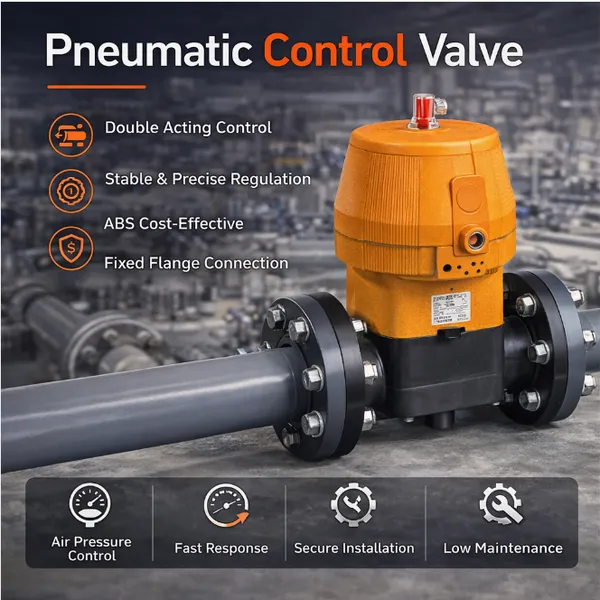
ABS Diaphragm Valve Double Acting Pneumatic ANSI Flange for Water TreatmentUS$ 360MOQ: 1 Piece
-
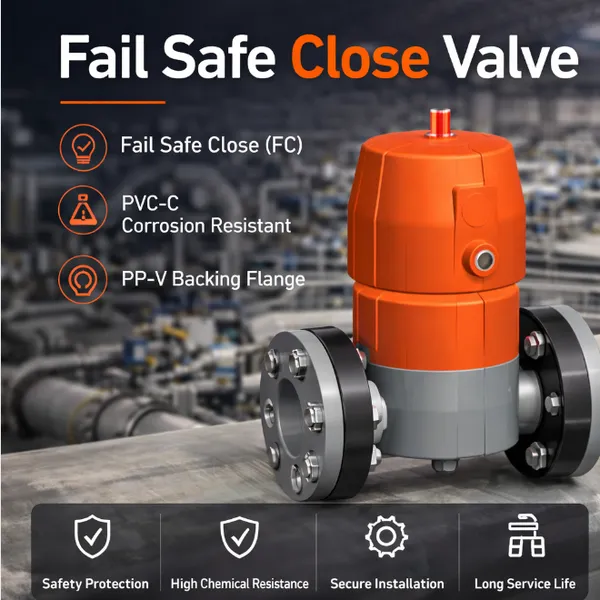
PVC-C Diaphragm Valve Fail Safe Close Backing Flange PP-V for Chemical SystemUS$ 410MOQ: 1 Piece
-
PVC Pressure Retaining Valve for Water Treatment / Chemical Pipeline Back Pressure ValveUS$ 280MOQ: 1 Piece
-
Wafer Butterfly Valve Metal PFA Lined Stainless Steel Disc Industrial Water Treatment ValveUS$ 300MOQ: 1 Piece
-
PVDF Butterfly Valve Wafer Type Chemical Resistant Industrial Water Treatment ValveUS$ 210MOQ: 1 Piece
-
9900-1P 9950 Sun Visor Package Industrial Display Protection Cover With Sunshade for Field Mounted TransmitterUS$ 380MOQ: 1 Piece
-
9900-1BC Batch Control Module for Water Treatment Dosing System PLC Automation IntegrationUS$ 370MOQ: 1 Piece
-
Electric Actuated Ball Valve 220V PVC-C Type 127 for Water Treatment System ASTMUS$ 420MOQ: 1 Box
-
Rosemount 3051 Pressure TransmittersUS$ 500 - 1000MOQ: 1 Piece
-
Beckhoff EL2889 EtherCAT Terminal 16-Channel Digital Output 24V DCUS$ 150MOQ: 1 Piece