
 Business License
Digital Transformation in Industrial Automation: How Smart Systems Are Reshaping Manufacturing Effic
Introduction: The Acceleration of Industrial Digitalization
Industrial manufacturing is undergoing a rapid transformation driven by digitalization, automation, and smart technologies. Traditional production systems are being replaced by integrated control architectures that combine PLCs, sensors, and real-time data analytics.
This shift is not only about upgrading machines—it represents a complete restructuring of how factories operate, monitor processes, and make decisions.
1. From Traditional Control to Intelligent Automation Systems
Conventional control systems focused mainly on executing pre-programmed logic. Today’s industrial automation systems are evolving into intelligent platforms capable of real-time data processing and edge computing.
Modern PLC and PAC systems now support:
Advanced data acquisition
Distributed control logic
Integration with industrial networks
Real-time decision support
This evolution significantly improves production responsiveness and system flexibility.
2. From Standalone Devices to Fully Integrated Systems
One of the key trends in modern automation is system integration.
Instead of isolated equipment, industries are adopting modular and scalable architectures, including:
Distributed I/O systems
Multi-protocol communication networks
Modular control cabinets
Cross-brand compatibility solutions
This approach reduces maintenance complexity while improving scalability for future expansion.
3. From Manual Monitoring to Data-Driven Operations
Industrial sensors now play a central role in modern manufacturing systems. Devices measuring temperature, pressure, flow, vibration, and other parameters continuously collect operational data.
Leading sensor brands such as IFM, SICK, and Endress+Hauser provide high-precision monitoring solutions that enable:
Predictive maintenance
Early fault detection
Real-time process optimization
As a result, factories are shifting from reactive maintenance to proactive decision-making.
4. Core Components of Modern Industrial Automation Systems
A complete automation system typically includes:
PLC / PAC Controllers (system brain)
Industrial I/O Modules (signal interface layer)
Sensors (process monitoring units)
Power Supply Systems (e.g., Mean Well)
Communication Gateways and Protocol Converters
Condition Monitoring Systems (e.g., Bently Nevada, Emerson, SKF)
These components work together to form a unified control and monitoring ecosystem.
5. Business Value of Automation Upgrades
Upgrading to modern automation systems provides significant operational benefits:
Increased production efficiency
Reduced unplanned downtime
Improved system reliability
Enhanced product consistency
Lower long-term maintenance costs
Industries such as energy, chemicals, manufacturing, and food processing benefit the most from these improvements.
6. Future Outlook: Toward Smart Factories and Industry 4.0
The future of manufacturing is moving toward fully connected smart factories where:
All machines are networked
Data is collected and analyzed in real time
AI-driven predictive maintenance is standard
Production processes self-optimize dynamically
Industrial automation is evolving from a control mechanism into an intelligent decision-making ecosystem.
Conclusion
Industrial automation is no longer optional—it is a necessity for competitiveness in modern manufacturing. Companies that fail to adopt digital control systems risk falling behind in efficiency, cost control, and production quality.
Selecting the right automation architecture and components is now a key strategic decision for long-term industrial success.
Recently Posted
-
Why Energy Consumption Is Rising in RO Systems (And How to Reduce It)
June 9, 2026Why Energy Consumption Is Rising in RO Systems (And How to Reduce It)For many industrial water treatment plants, energy cost is on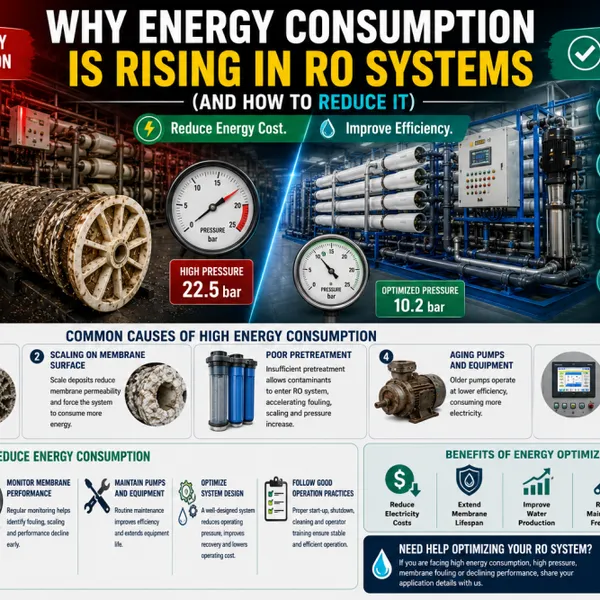 Read More
 -
GF Signet 4630 Free Chlorine Analyzer: Reliable Online Chlorine Monitoring for Water Treatment
June 8, 2026IntroductionMaintaining accurate chlorine levels is essential in modern water treatment systems. Whether in municipal drinking wat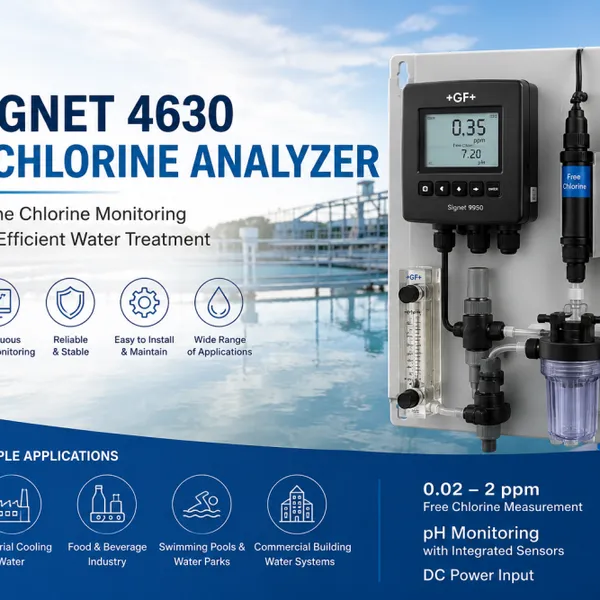 Read More
 -
B&R Industrial Automation Application Case: High-Speed Beverage Filling Line Intelligent Upgrade
June 4, 2026IntroductionWith the continuous upgrading of food and beverage manufacturing, high-speed, high-precision, and flexible production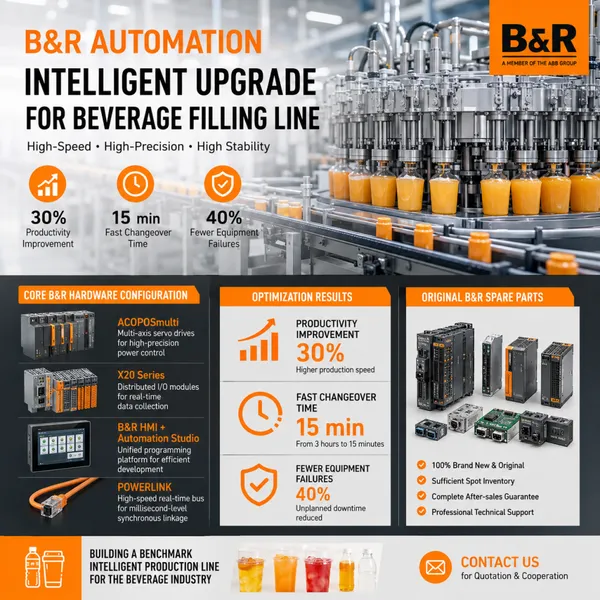 Read More
 -
Top 5 Mistakes When Selecting Chemical Piping Materials
June 3, 2026Top 5 Mistakes When Selecting Chemical Piping MaterialsChoosing the right piping material is critical for chemical and industrial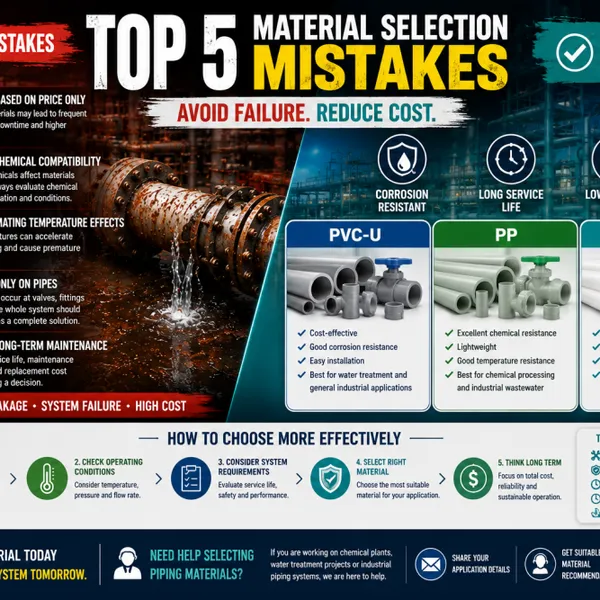 Read More

Contact Us
Recommended Products
-
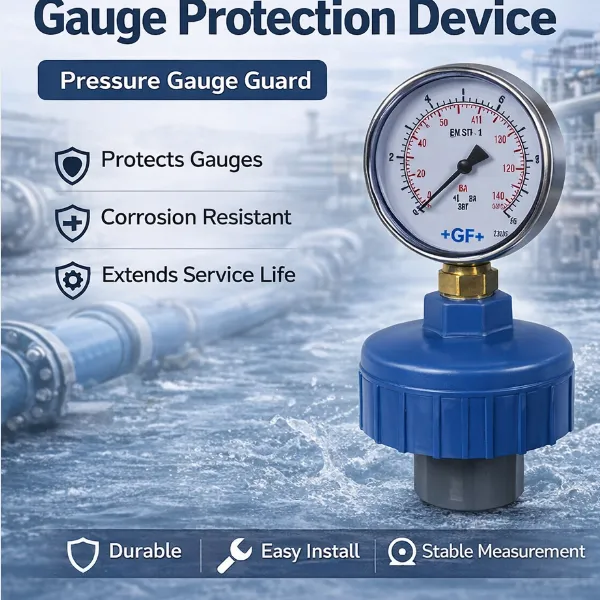
 PVC Gauge Guard Pressure Gauge Protector for Pipeline SystemUS$ 360MOQ: 1 Piece
 -
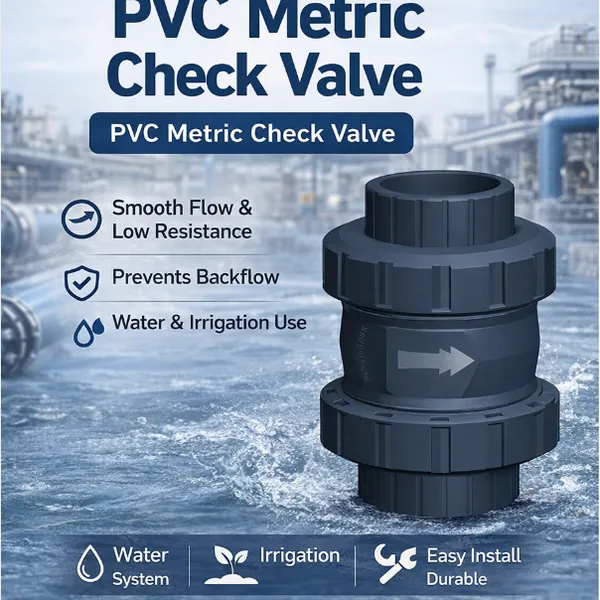
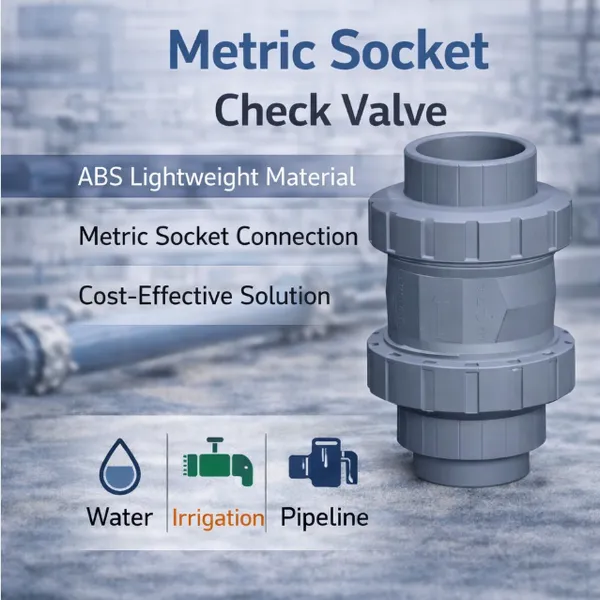
PVC Check Valve Metric Socket Non Return Valve for Water SystemUS$ 420MOQ: 1 Piece
-
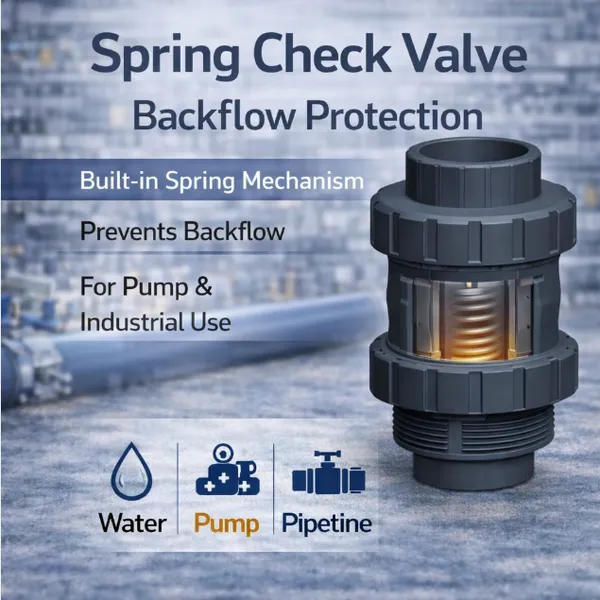
PVC Spring Check Valve BS Socket Inch Non Return Valve for Pump SystemUS$ 380MOQ: 1 Piece
-
ABS Check Valve Metric Socket Non Return Valve for Water SystemUS$ 390MOQ: 1 Piece
-
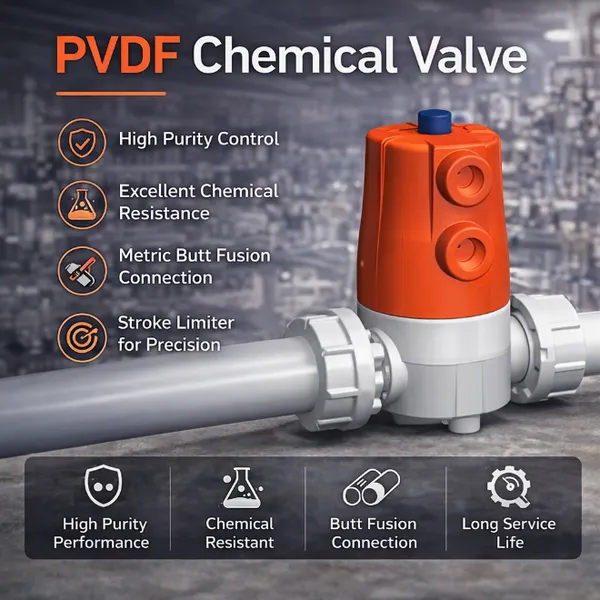
PVDF Diaphragm Valve SYGEF Standard Stroke Limiter Butt Fusion for Chemical SystemUS$ 430MOQ: 1 Piece
-
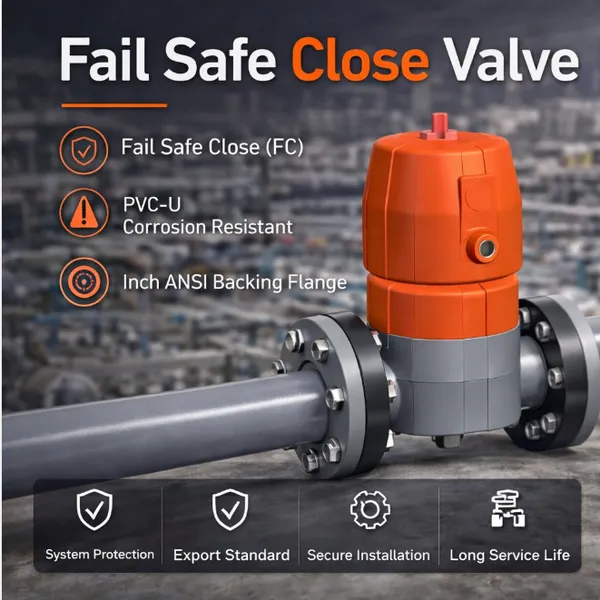
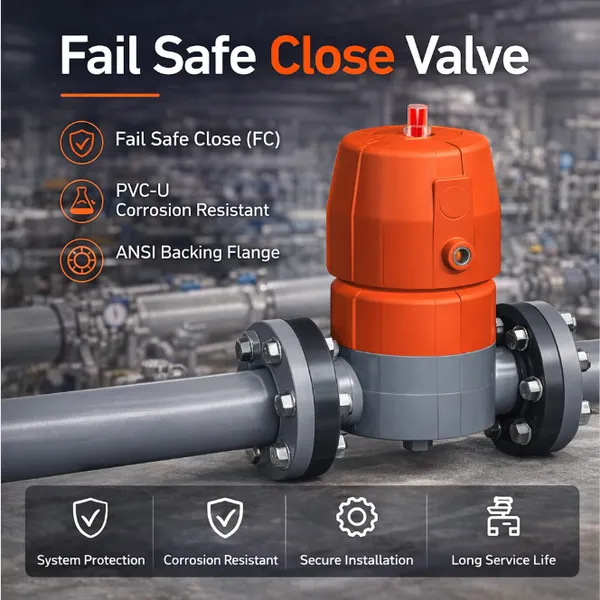
PVC-U Diaphragm Valve Fail Safe Close ANSI Backing Flange Inch for Water TreatmentUS$ 430MOQ: 1 Piece
-
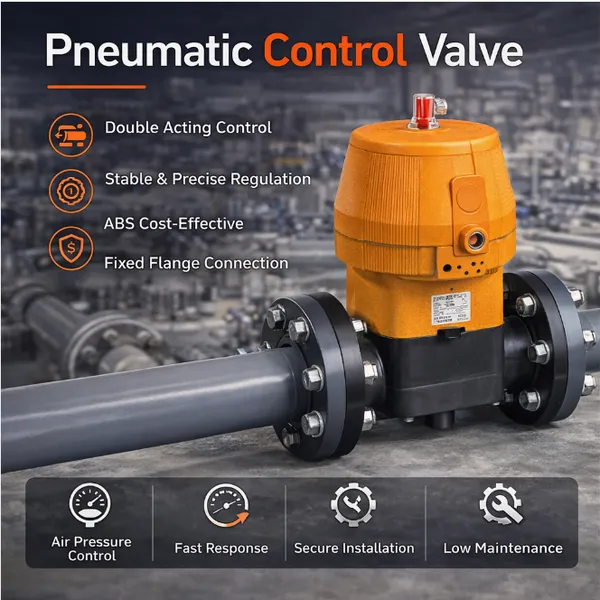
ABS Diaphragm Valve Double Acting Pneumatic ANSI Flange for Water TreatmentUS$ 360MOQ: 1 Piece
-
PVC-U Diaphragm Valve Fail Safe Close Backing Flange ANSI for Water TreatmentUS$ 410MOQ: 1 Piece
-
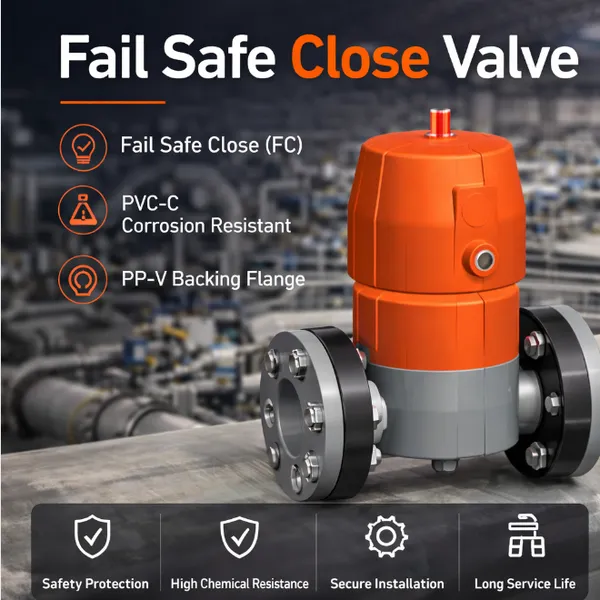
PVC-C Diaphragm Valve Fail Safe Close Backing Flange PP-V for Chemical SystemUS$ 410MOQ: 1 Piece
-
PVC Pressure Retaining Valve for Water Treatment / Chemical Pipeline Back Pressure ValveUS$ 280MOQ: 1 Piece
-
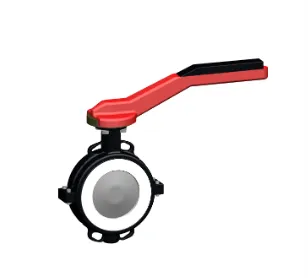
Wafer Butterfly Valve Metal PFA Lined Stainless Steel Disc Industrial Water Treatment ValveUS$ 300MOQ: 1 Piece
-
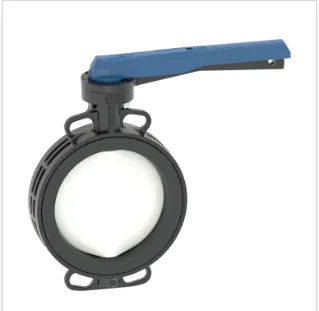
PVDF Butterfly Valve Wafer Type Chemical Resistant Industrial Water Treatment ValveUS$ 210MOQ: 1 Piece
-
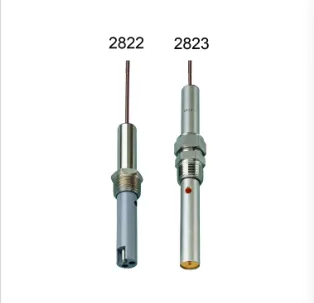
Type 2822 2823 Conductivity Sensor High Precision Conductivity Resistivity Electrode for RO and Pure Water MonitoringUS$ 350MOQ: 1 Piece
-
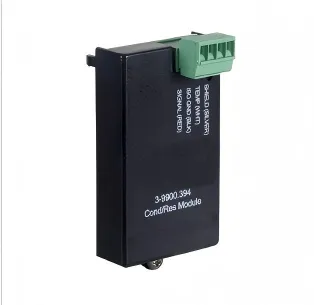
9950 Conductivity Resistivity Module Industrial Water Quality Measurement Module for 9950 Controller SystemUS$ 300MOQ: 1 Piece
-
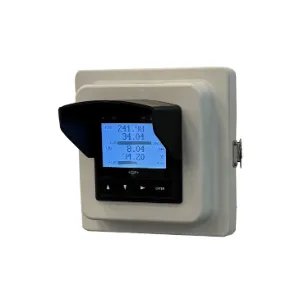
9900-1P 9950 Sun Visor Package Industrial Display Protection Cover With Sunshade for Field Mounted TransmitterUS$ 380MOQ: 1 Piece
-
9900-1BC Batch Control Module for Water Treatment Dosing System PLC Automation IntegrationUS$ 370MOQ: 1 Piece
-
Ultrasonic Level Transmitter With Display 4-20mA HART ATEX for Water Treatment TankUS$ 330MOQ: 1 Box
-
Multi-Parameter Transmitter Controller for Water Treatment Flow pH Conductivity SystemUS$ 220MOQ: 1 Box
-
Electric Actuated Ball Valve 220V PVC-C Type 127 for Water Treatment System ASTMUS$ 420MOQ: 1 Box
-
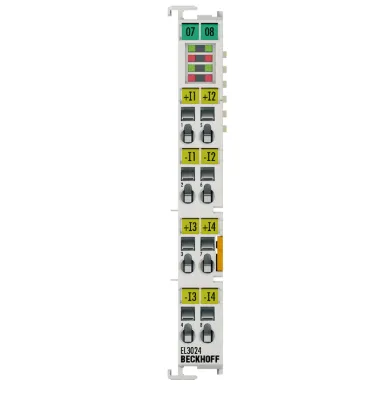
BECKHOFF EL3024 EtherCAT 4 Channel Analog Input Module 4-20mA Current Input Differential Industrial Automation IO Terminal PLC ModuleUS$ 310MOQ: 1 Piece