
 Business License

SICK MPB10 Vibration Sensor: Predictive Maintenance for Logistics Stacker Cranes
In the fast-paced logistics industry, unplanned downtime is one of the biggest threats to operational efficiency, delivery reliability, and cost control. For stacker cranes—core equipment in automated warehouses—failures often stem from worn or damaged back-pressure rollers, leading to unstable operation, skidding, and unexpected breakdowns. To solve this challenge, SICK has launched the MPB10 multi-functional condition monitoring sensor, an IO-Link enabled smart device designed for real-time vibration, temperature, and shock monitoring, bringing predictive maintenance to life in modern logistics centers.
Key Features of SICK MPB10
The MPB10 sensor is built for industrial condition monitoring with clear advantages:
IO-Link connectivity: Easy integration, configuration, and data transmission into industrial control systems.
Multi-parameter monitoring: Simultaneously tracks vibration, temperature, and shock to capture early signs of mechanical abnormality.
Real-time status deviation detection: Identifies unusual operating patterns before failures occur.
Plug-and-play usability: Simple installation and commissioning for quick deployment.
Long-term reliability: Designed to extend equipment service life and support continuous, stable production.
Application: Stacker Crane Condition Monitoring in Logistics
At SICK’s German logistics center, the MPB10 sensor has been successfully applied to stacker crane maintenance.
Background and Pain Points
Back-pressure rollers ensure stable contact between drive wheels and rails, preventing skidding and ensuring smooth travel. However, continuous friction and pressure cause gradual wear, cracking, and performance degradation. Traditional maintenance relies on redundancy and external services, which lead to:
High unplanned downtime risks
Warehouse shutdowns and delayed order fulfillment
Excessive spare parts inventory costs
Additional expenses for repairs, labor, and travel
Potential penalties from delivery delays
Solution with MPB10
By installing the SICK MPB10 vibration sensor on the stacker crane motor, operational data is collected via a gateway and visualized in a monitoring platform. The system continuously analyzes vibration trends to evaluate mechanical stability and predict when back-pressure rollers require maintenance. This transforms reactive repair into proactive, data-driven maintenance.
Benefits Achieved
Reduced unplanned maintenance and spare parts inventory costs
Minimized unplanned downtime
24/7 monitoring of roller and drive conditions
Improved overall equipment effectiveness (OEE)
Stable and reliable warehouse operation
Conclusion
The SICK MPB10 vibration sensor turns raw operational data into actionable maintenance insights. By enabling predictive maintenance for stacker cranes and other motor-driven equipment, it eliminates unexpected failures, optimizes maintenance resources, and strengthens the stability and efficiency of smart logistics systems. For modern logistics facilities aiming for intelligent, uninterrupted operation, MPB10 is a reliable and future-proof choice.
Recently Posted
-
SICK InspectorP611 Smart Camera: Automatic Laser Beam Centering Solution for Fiber Laser Cutters
July 20, 2026Industry Pain PointsFiber laser cutters are widely used in sheet metal, automotive and aerospace industries for metal plate &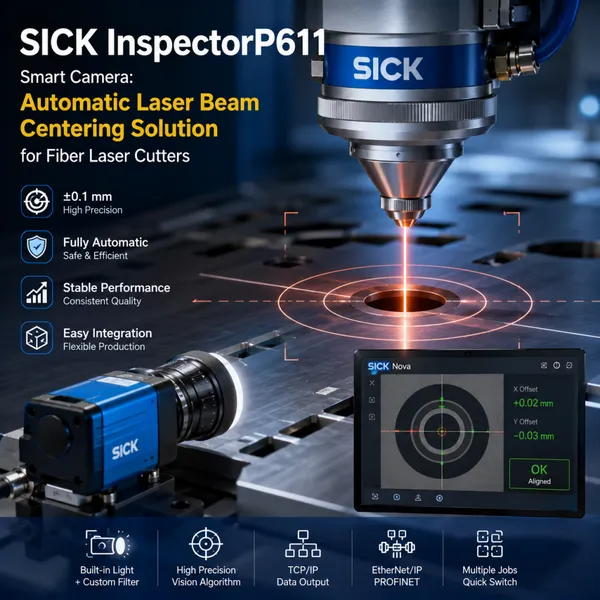 Read More
 -
New Generation SICK W12 Photoelectric Sensors Released: 37-Year Classic Gets Full Technical Upgrade
July 16, 2026IntroductionIn the industrial photoelectric detection industry, SICK W12 series is a time-tested classic. First launched in 1989,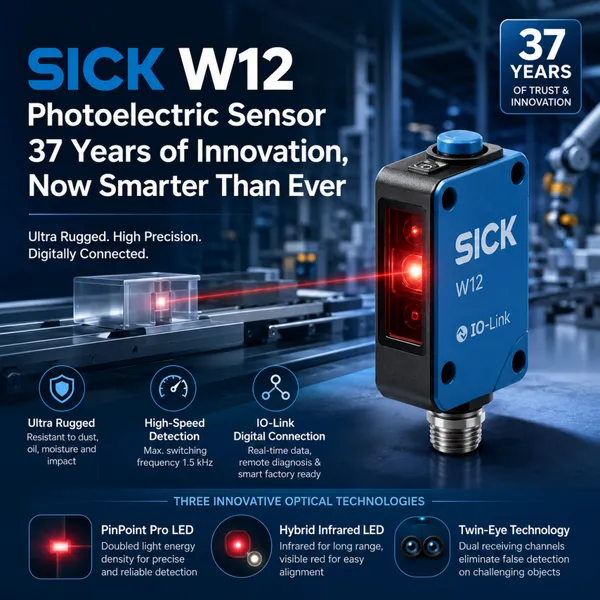 Read More
 -
SICK VMV Volume Measurement Solution: Game-Changer for Logistics Dimension Weigh Scan
July 14, 2026In modern logistics, accurate package dimension and volume measurement is the foundation of intelligent warehousing, shipping cost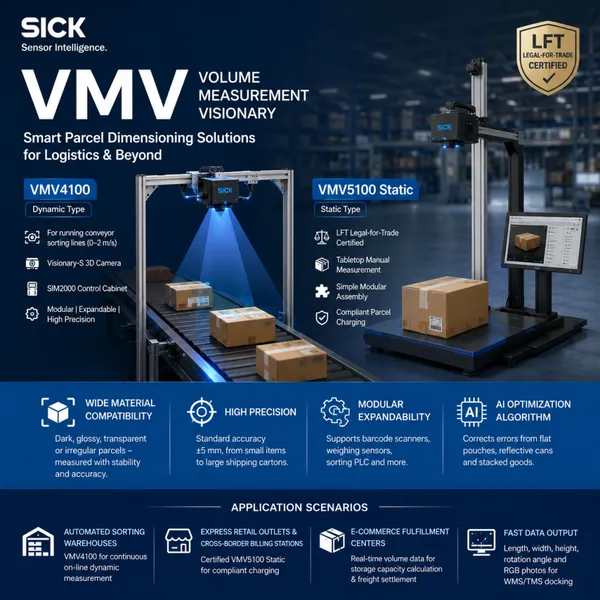 Read More
 -
Why Chemical Dosing Is Critical in Water Treatment Systems
July 10, 2026Why Chemical Dosing Is Critical in Water Treatment SystemsChemical dosing is one of the most important processes in industrial wat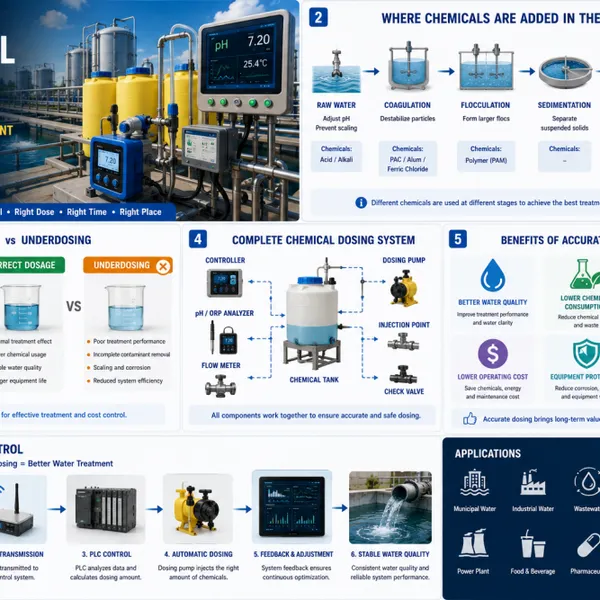 Read More

Contact Us
Recommended Products
-
 Ultrasonic Level Transmitter With Display 4-20mA HART ATEX for Water Treatment TankUS$ 330MOQ: 1 Box
 -
Multi-Parameter Transmitter Controller for Water Treatment Flow pH Conductivity SystemUS$ 220MOQ: 1 Box
-
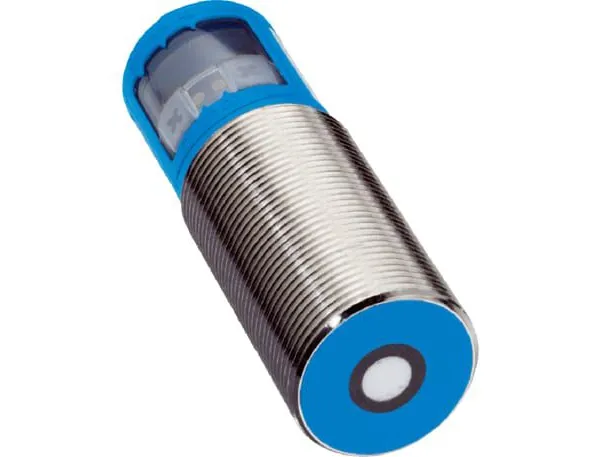
SICK UM30-212111 Ultrasonic Proximity Sensor, 60-350mm Range, PNP NC, IP67, 9-30V DC, M30 BarrelUS$ 149 - 155MOQ: 1 Unit
-
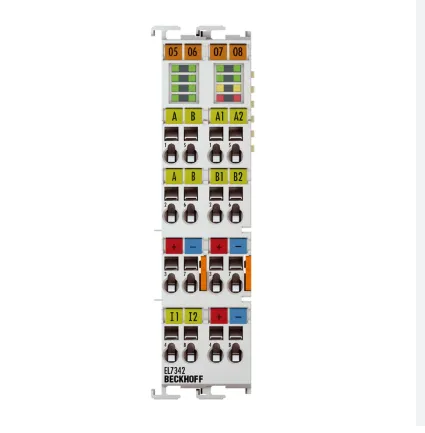
Beckhoff EL7342 EtherCAT Terminal 2-Channel DC Motor Output Stage 48V DC 3.5A Motion Control Module With Encoder InterfaceUS$ 350MOQ: 1 Piece
-
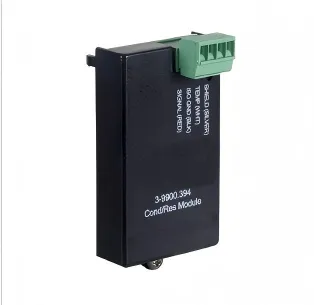
9950 Conductivity Resistivity Module Industrial Water Quality Measurement Module for 9950 Controller SystemUS$ 300MOQ: 1 Piece
-
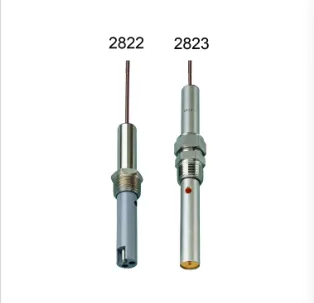
Type 2822 2823 Conductivity Sensor High Precision Conductivity Resistivity Electrode for RO and Pure Water MonitoringUS$ 350MOQ: 1 Piece
-
Sick W12 Series Photoelectric Sensor, Compact Industrial Diffuse/Retro-Reflective/Through-Beam Sensor, IP67, High Precision, for AutomationUS$ 231 - 263MOQ: 1 Unit
-
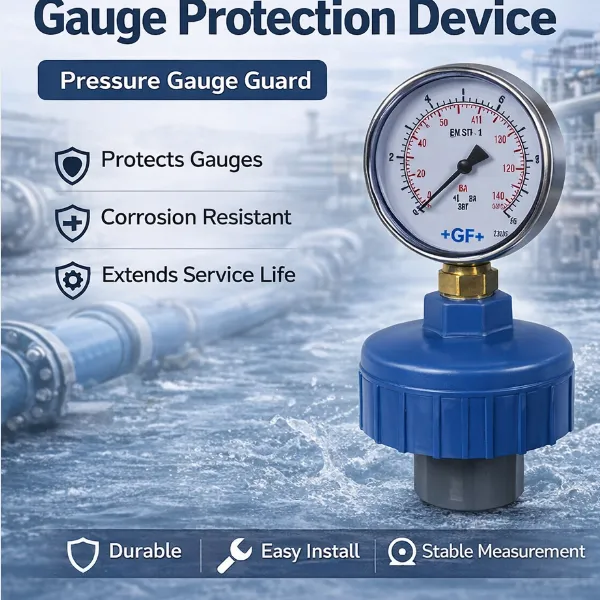
PVC Gauge Guard Pressure Gauge Protector for Pipeline SystemUS$ 360MOQ: 1 Piece
-
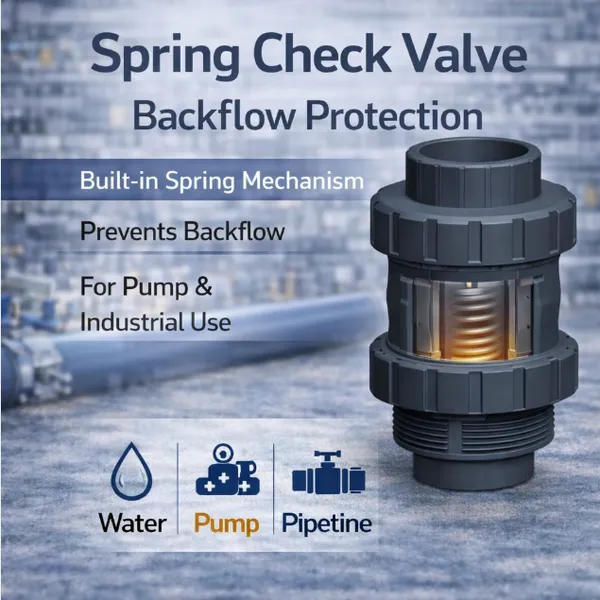
PVC Spring Check Valve BS Socket Inch Non Return Valve for Pump SystemUS$ 380MOQ: 1 Piece
-
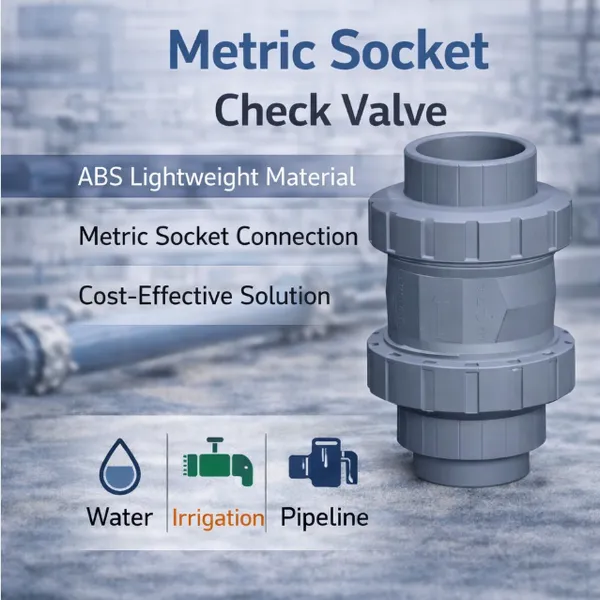
ABS Check Valve Metric Socket Non Return Valve for Water SystemUS$ 390MOQ: 1 Piece
-
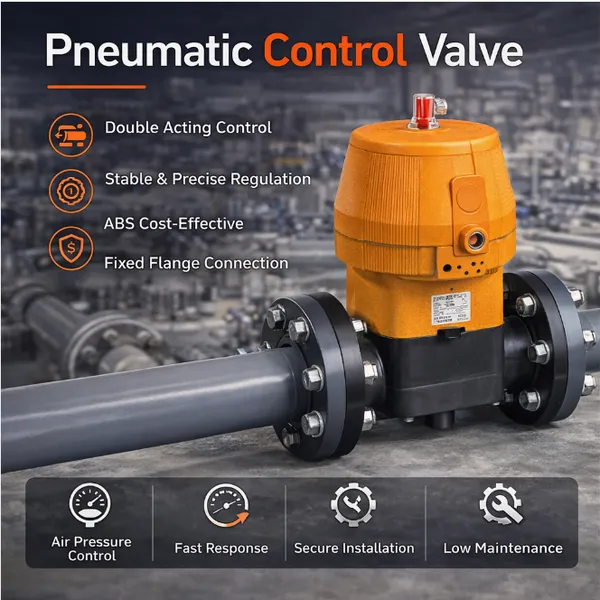
ABS Diaphragm Valve Double Acting Pneumatic ANSI Flange for Water TreatmentUS$ 360MOQ: 1 Piece
-
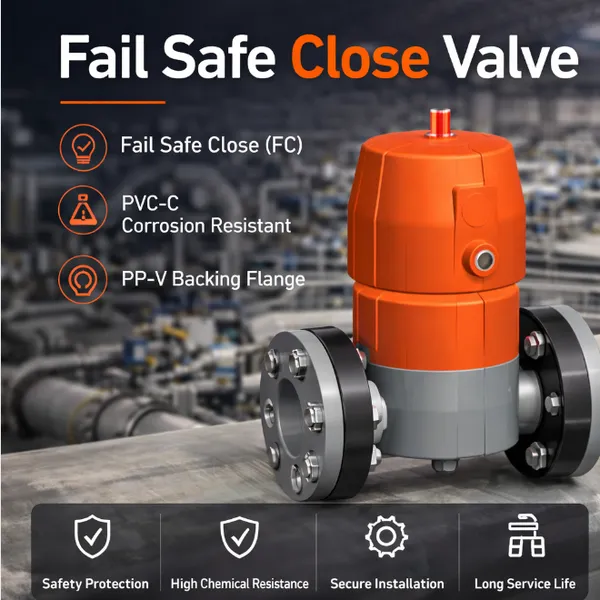
PVC-C Diaphragm Valve Fail Safe Close Backing Flange PP-V for Chemical SystemUS$ 410MOQ: 1 Piece
-
PVC Pressure Retaining Valve for Water Treatment / Chemical Pipeline Back Pressure ValveUS$ 280MOQ: 1 Piece
-
Wafer Butterfly Valve Metal PFA Lined Stainless Steel Disc Industrial Water Treatment ValveUS$ 300MOQ: 1 Piece
-
PVDF Butterfly Valve Wafer Type Chemical Resistant Industrial Water Treatment ValveUS$ 210MOQ: 1 Piece
-
9900-1P 9950 Sun Visor Package Industrial Display Protection Cover With Sunshade for Field Mounted TransmitterUS$ 380MOQ: 1 Piece
-
9900-1BC Batch Control Module for Water Treatment Dosing System PLC Automation IntegrationUS$ 370MOQ: 1 Piece
-
Electric Actuated Ball Valve 220V PVC-C Type 127 for Water Treatment System ASTMUS$ 420MOQ: 1 Box
-
Rosemount 3051 Pressure TransmittersUS$ 500 - 1000MOQ: 1 Piece
-
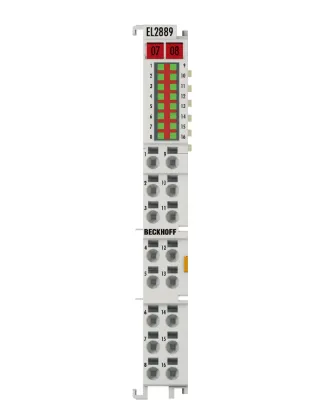
Beckhoff EL2889 EtherCAT Terminal 16-Channel Digital Output 24V DCUS$ 150MOQ: 1 Piece