
 Business License
PVDF vs Stainless Steel: Which One Performs Better in Chemical Applications?
PVDF vs Stainless Steel: Which One Performs Better in Chemical Applications?
When designing chemical piping systems, engineers often face an important question:
👉 Should we choose PVDF or Stainless Steel?
Both materials are widely used in industrial applications.
However, their performance can be very different under aggressive chemical conditions.
Understanding the Two Materials
PVDF
PVDF (Polyvinylidene Fluoride) is a high-performance thermoplastic known for:
✔ Excellent chemical resistance
✔ High purity
✔ Lightweight construction
✔ Long service life
Stainless Steel
Stainless Steel is widely used because of:
✔ High mechanical strength
✔ Good pressure resistance
✔ Familiar installation practices
✔ Wide availability
Corrosion Resistance Comparison
In chemical environments containing:
acids
alkalis
corrosive solutions
PVDF often provides better corrosion resistance.
Unlike metal materials, PVDF does not rust or suffer electrochemical corrosion.
👉 This significantly reduces maintenance requirements.
Weight and Installation
PVDF systems are much lighter than stainless steel.
Benefits include:
✔ Easier transportation
✔ Faster installation
✔ Lower labor cost
Maintenance Cost Comparison
Many facilities focus on purchase price only.
However, long-term cost includes:
maintenance
replacement
downtime
In many chemical applications,
👉 PVDF helps reduce lifecycle cost through superior corrosion resistance.
Typical Applications
PVDF
Ideal for:
Chemical processing
Semiconductor industry
High purity water systems
Acid transfer systems
Stainless Steel
Commonly used for:
Mechanical systems
High-pressure applications
General industrial service
Quick Comparison
| Feature | PVDF | Stainless Steel |
|---|---|---|
| Corrosion Resistance | Excellent | Moderate |
| Weight | Light | Heavy |
| Maintenance Cost | Low | Higher |
| High Purity Applications | Excellent | Limited |
| Service Life in Corrosive Environment | Excellent | Moderate |
Final Suggestion
There is no universal material for every project.
The best choice depends on:
chemical type
temperature
operating conditions
maintenance expectations
For highly corrosive applications,
👉 PVDF is often the preferred solution.
Need Help Choosing the Right Material?
If U are working on:
Chemical Plants
Water Treatment Systems
Industrial Piping Projects
👉 Share your application details.
👉 Get suitable material recommendations for your project.
Recently Posted
-
Why Energy Consumption Is Rising in RO Systems (And How to Reduce It)
June 9, 2026Why Energy Consumption Is Rising in RO Systems (And How to Reduce It)For many industrial water treatment plants, energy cost is on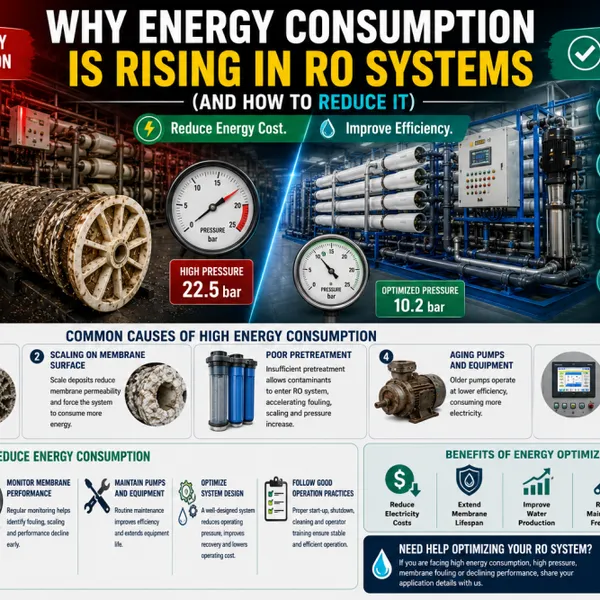 Read More
 -
GF Signet 4630 Free Chlorine Analyzer: Reliable Online Chlorine Monitoring for Water Treatment
June 8, 2026IntroductionMaintaining accurate chlorine levels is essential in modern water treatment systems. Whether in municipal drinking wat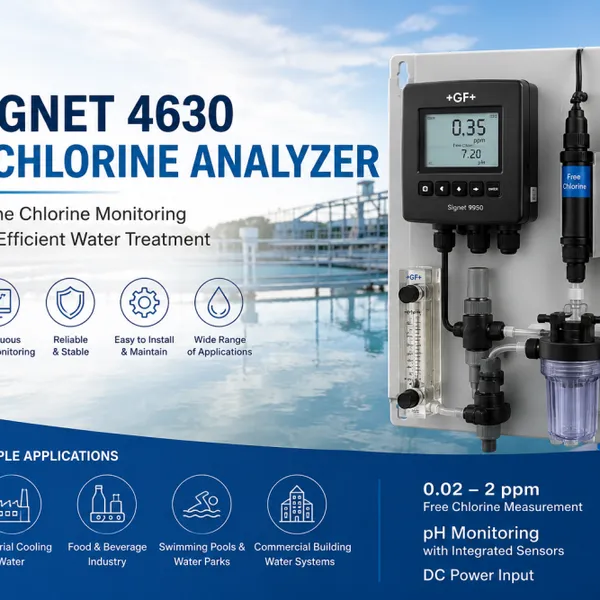 Read More
 -
B&R Industrial Automation Application Case: High-Speed Beverage Filling Line Intelligent Upgrade
June 4, 2026IntroductionWith the continuous upgrading of food and beverage manufacturing, high-speed, high-precision, and flexible production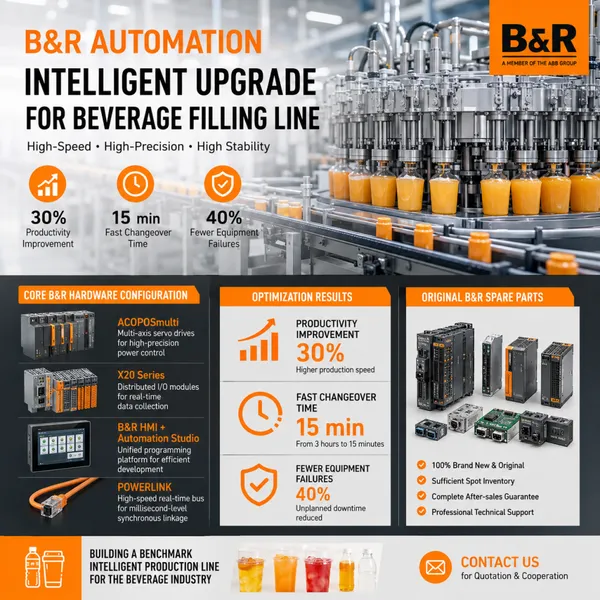 Read More
 -
Top 5 Mistakes When Selecting Chemical Piping Materials
June 3, 2026Top 5 Mistakes When Selecting Chemical Piping MaterialsChoosing the right piping material is critical for chemical and industrial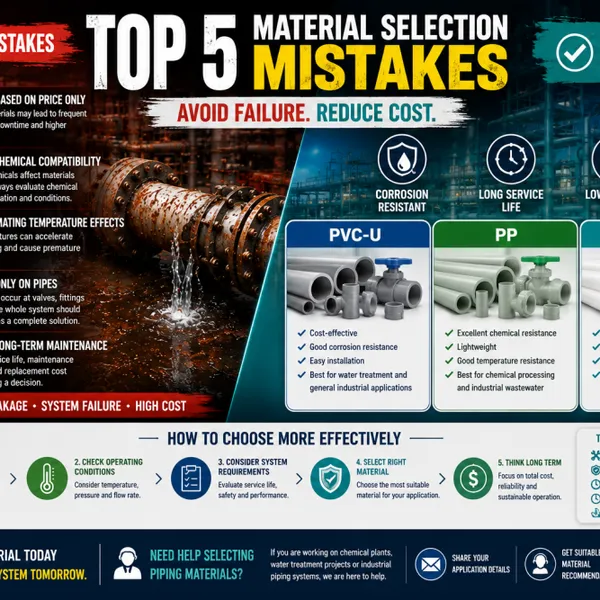 Read More

Contact Us
Recommended Products
-
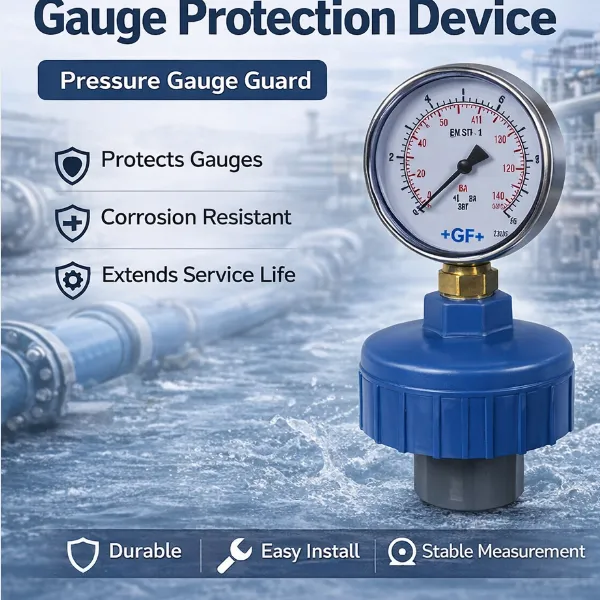
 PVC Gauge Guard Pressure Gauge Protector for Pipeline SystemUS$ 360MOQ: 1 Piece
 -
PVC Check Valve Metric Socket Non Return Valve for Water SystemUS$ 420MOQ: 1 Piece
-
PVC Spring Check Valve BS Socket Inch Non Return Valve for Pump SystemUS$ 380MOQ: 1 Piece
-
ABS Check Valve Metric Socket Non Return Valve for Water SystemUS$ 390MOQ: 1 Piece
-
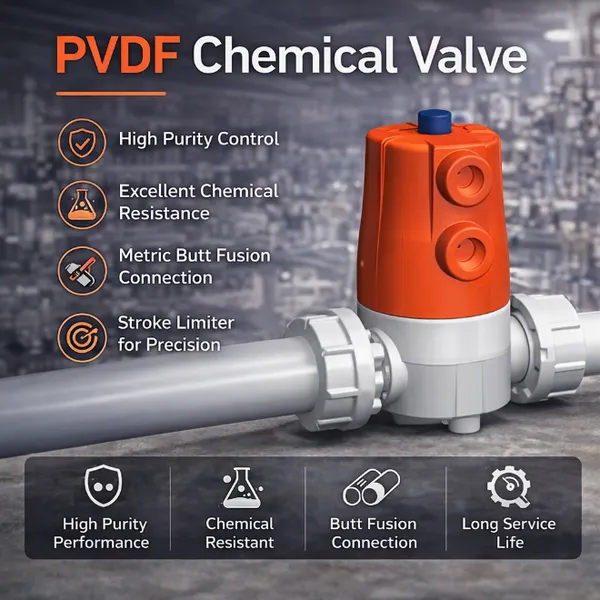
PVDF Diaphragm Valve SYGEF Standard Stroke Limiter Butt Fusion for Chemical SystemUS$ 430MOQ: 1 Piece
-
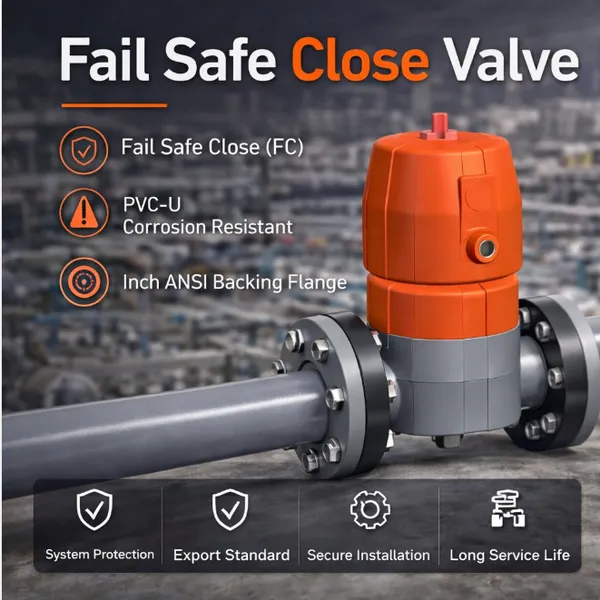
PVC-U Diaphragm Valve Fail Safe Close ANSI Backing Flange Inch for Water TreatmentUS$ 430MOQ: 1 Piece
-
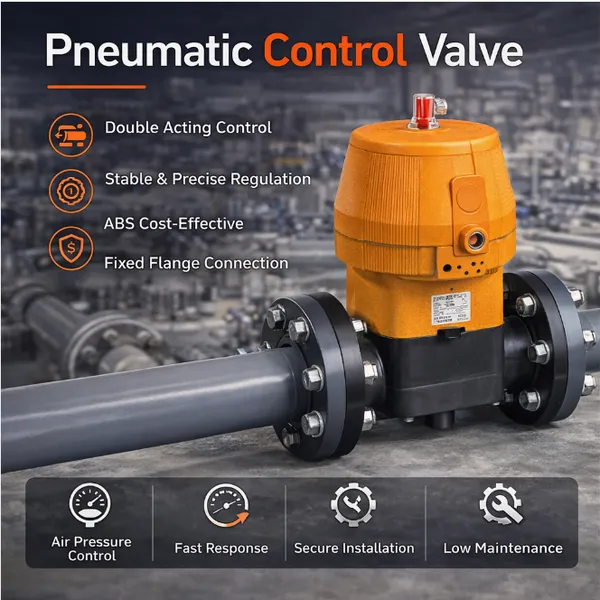
ABS Diaphragm Valve Double Acting Pneumatic ANSI Flange for Water TreatmentUS$ 360MOQ: 1 Piece
-
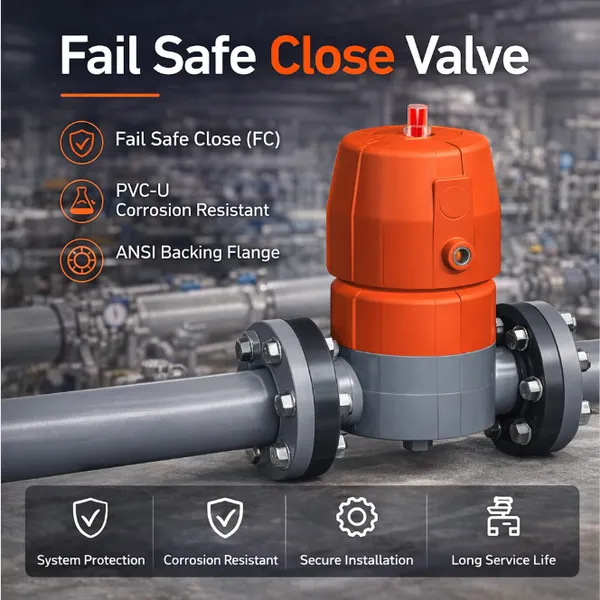
PVC-U Diaphragm Valve Fail Safe Close Backing Flange ANSI for Water TreatmentUS$ 410MOQ: 1 Piece
-
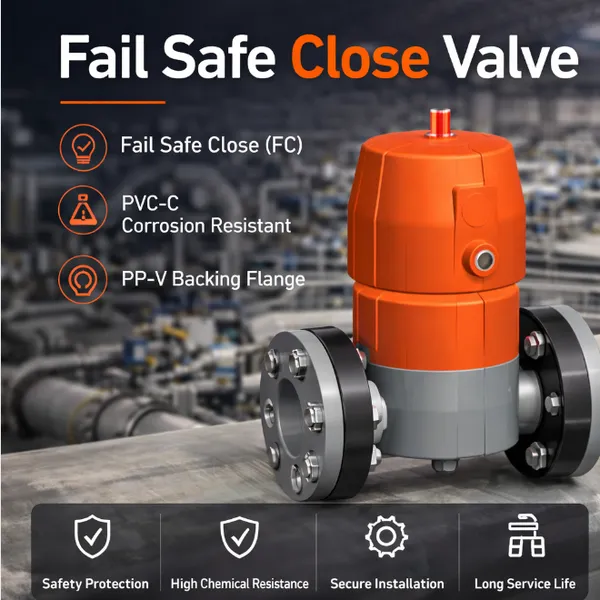
PVC-C Diaphragm Valve Fail Safe Close Backing Flange PP-V for Chemical SystemUS$ 410MOQ: 1 Piece
-
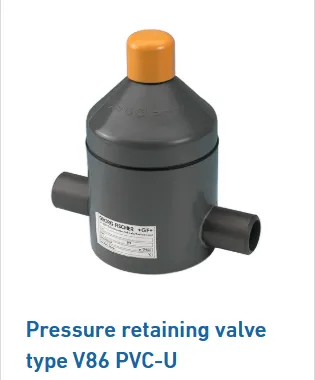
PVC Pressure Retaining Valve for Water Treatment / Chemical Pipeline Back Pressure ValveUS$ 280MOQ: 1 Piece
-
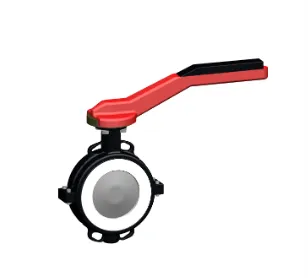
Wafer Butterfly Valve Metal PFA Lined Stainless Steel Disc Industrial Water Treatment ValveUS$ 300MOQ: 1 Piece
-
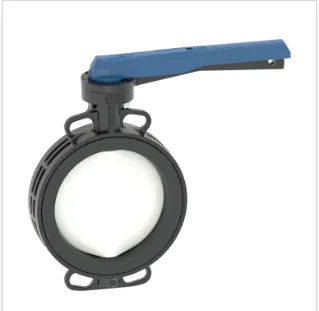
PVDF Butterfly Valve Wafer Type Chemical Resistant Industrial Water Treatment ValveUS$ 210MOQ: 1 Piece
-
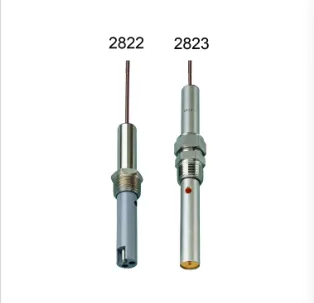
Type 2822 2823 Conductivity Sensor High Precision Conductivity Resistivity Electrode for RO and Pure Water MonitoringUS$ 350MOQ: 1 Piece
-
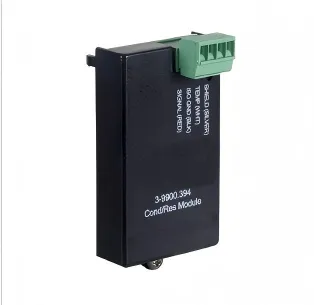
9950 Conductivity Resistivity Module Industrial Water Quality Measurement Module for 9950 Controller SystemUS$ 300MOQ: 1 Piece
-
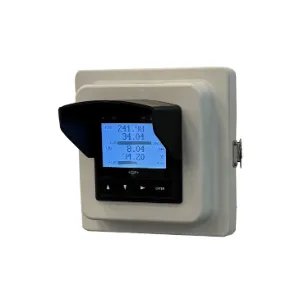
9900-1P 9950 Sun Visor Package Industrial Display Protection Cover With Sunshade for Field Mounted TransmitterUS$ 380MOQ: 1 Piece
-
9900-1BC Batch Control Module for Water Treatment Dosing System PLC Automation IntegrationUS$ 370MOQ: 1 Piece
-
Ultrasonic Level Transmitter With Display 4-20mA HART ATEX for Water Treatment TankUS$ 330MOQ: 1 Box
-
Multi-Parameter Transmitter Controller for Water Treatment Flow pH Conductivity SystemUS$ 220MOQ: 1 Box
-
Electric Actuated Ball Valve 220V PVC-C Type 127 for Water Treatment System ASTMUS$ 420MOQ: 1 Box
-
PVC-U Wafer Butterfly Valve Type 240 Pneumatic Actuator For RO System And Chemical DosingUS$ 360MOQ: 1 Piece